Explore current research and scientific developments curated by Seven Reflections. This section serves as our future home for official press releases - bridging the gap between discovery, structure, and meaning across science and society.
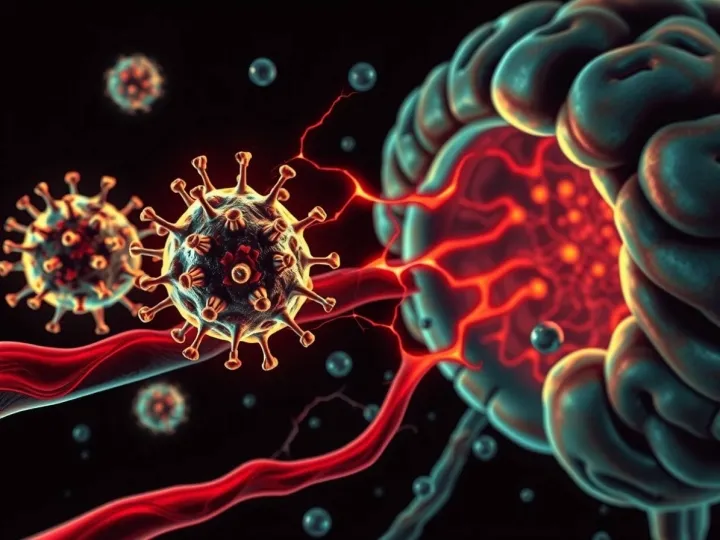
The brain has its own fortress - the blood-brain barrier - designed to keep invaders out. Yet many viruses, from herpes and varicella to HIV and SARS-CoV-2, find ways to weaken or slip past this protective shield. Once breached, the results can be devastating: encephalitis, stroke, and long-term cognitive decline. A new review reveals how viruses exploit molecular weaknesses in the brain's defenses, how immune responses sometimes do more harm than good, and what therapies could one day help seal the barrier back up.
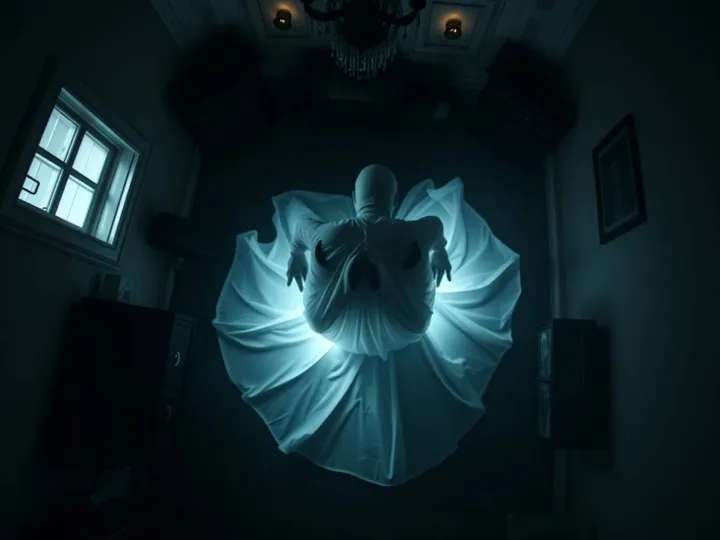
Humans are remarkably good at spotting people around us, but our brains aren't perfect counters. New research shows that when we feel an invisible "presence" nearby - a hallucination triggered experimentally with robotics and virtual reality - our brains actually overestimate how many people we see. The effect traces back to extrastriate brain regions that fuse body perception with social awareness, hinting at how our sense of presence, paranoia, or even ghostly encounters might be built into our neural wiring.
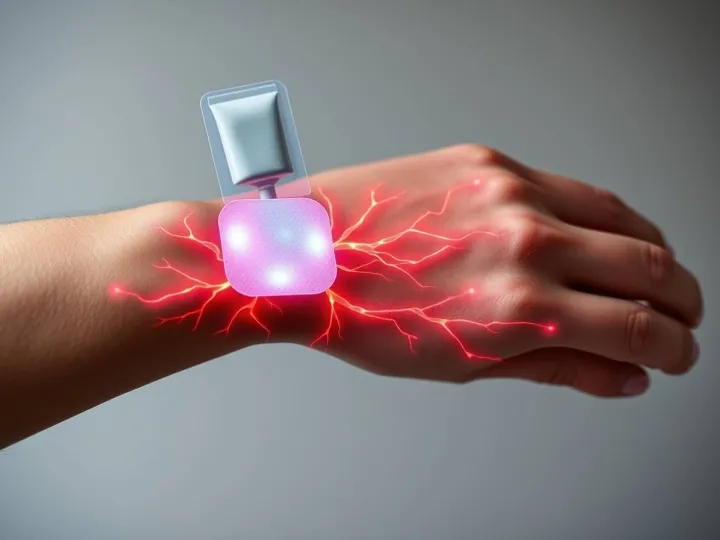
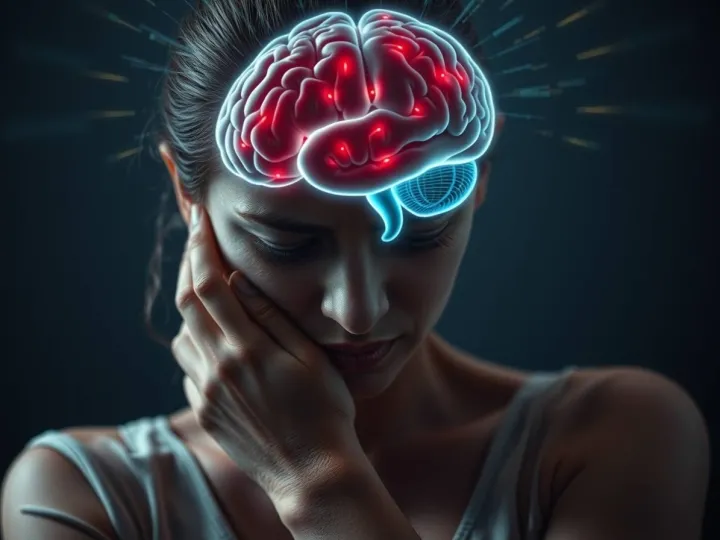
Even after surgery, many women with carpal tunnel syndrome are left with burning, persistent pain. A new brain-imaging study shows it's not just the wrist that's to blame - maladaptive patterns in the prefrontal cortex and limbic system may keep the pain alive long after the nerve is released.
Once confined to counterculture and ritual use, psychedelics are now entering mainstream science and regulated therapy. But as interest grows, so does the need for certainty about what these plants, fungi, and brews really contain. A new study delivers just that - a validated laboratory test that can accurately confirm 26 different psychedelic compounds across mushrooms, cactus, teas, and supplements, setting a new standard for safety and precision in psychedelic research.
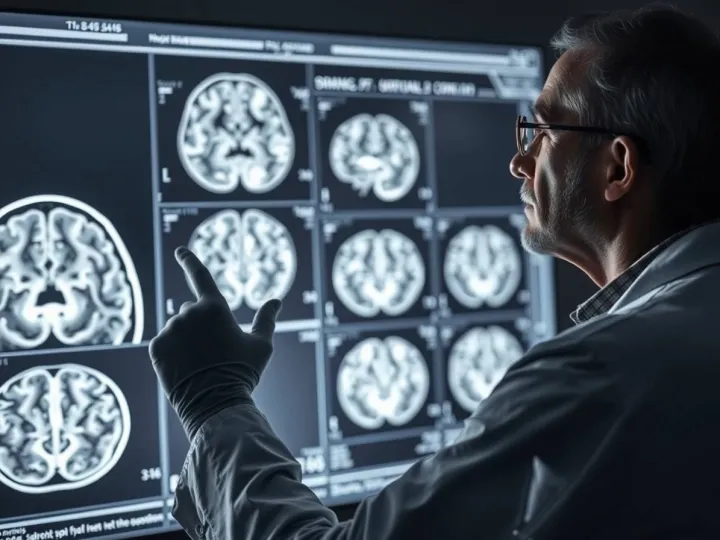
Aging reshapes the brain's wiring. New research shows that high-resolution scans reveal white matter changes that help explain why fluid cognition declines with age.
What happens when a child's first storybook isn't written by a human? A new study explores how young readers and their families respond to AI-generated tales - from playful curiosity to doubts about quality and voice.
Paranoia is not only about mistrust - it may be about feeling unsafe in a world of fragile connections. A new open-access study in Schizophrenia Bulletin Open shows that social rejection sits at the center of paranoid thinking, creating a feedback loop that intensifies negative emotions and self-image. Using a weeklong smartphone-based sampling and advanced temporal network modeling, researchers found that paranoia both predicts and is predicted by rejection, underscoring the importance of early interventions that break this cycle
When we talk about our fears, are we also revealing how our brain works? A new study from the National Institute of Mental Health suggests the answer is yes. Using movies to induce anxiety in children and adolescents, researchers combined brain scans with natural language processing (NLP) of participants' verbal recall. They found that patterns of brain activity - particularly in the anterior insula - were directly linked to the way anxious youth described the experience. The results mark the first time NLP has been used to connect subjective reports of anxiety with real-time brain function in a clinical sample.
Sleep has always been central to human health, but until recently, medicine relied on simple categories to understand it. A new article in Sleep highlights how artificial intelligence and modern data analytics are transforming the field. By moving beyond traditional sleep staging, researchers are uncovering richer insights into how sleep relates to conditions ranging from heart disease to depression. The future of sleep medicine, the authors argue, is already here.