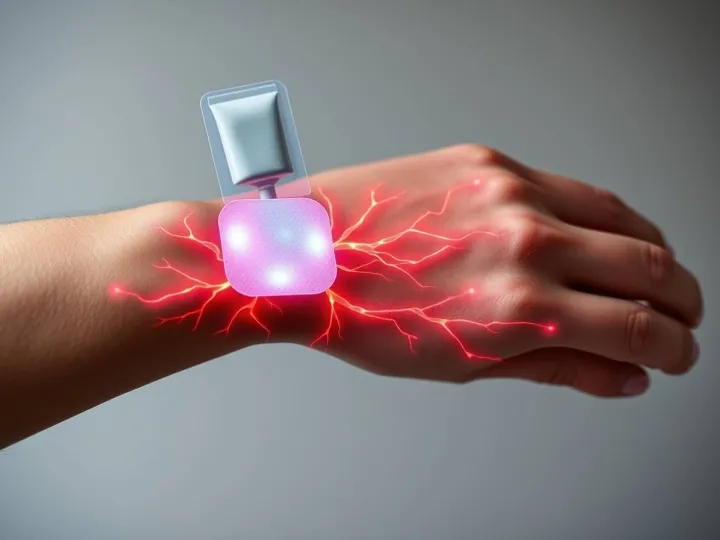
Carpal tunnel surgery is one of the most common operations performed worldwide. For countless patients, it brings relief from the constant numbness, tingling, and pain in their hands. But for others, especially women, the story does not end so well. They go through surgery, they recover, and yet the pain remains. Sometimes it even worsens. For decades, doctors have been puzzled by this outcome. If the wrist has been fixed and the nerve pressure released, why do some patients still feel like they are trapped in a cage of burning pain?
A new study published in Brain Communications may finally provide an answer, and it doesn't lie in the wrist at all. The culprit may be the brain itself.
Researchers in China and Hong Kong set out to understand why so many women with recurrent painful carpal tunnel syndrome continue to suffer even after corrective surgery. They recruited forty-nine women who had undergone the procedure but were still experiencing neuropathic pain, and compared them with twenty-two healthy women of similar age. What they discovered was not a mechanical problem at the wrist, but a striking difference in how the brain itself was functioning.
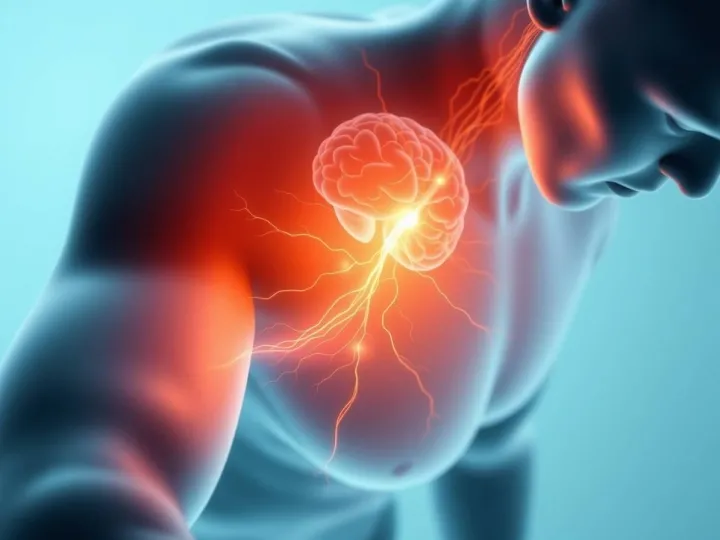
Using advanced brain imaging, the team looked at blood flow, structural features, and functional connectivity across different regions of the brain. The scans revealed that women with persistent pain showed decreased blood flow in areas that are central to how we perceive and regulate pain - including the frontal gyrus and the insula, both of which help shape the way sensory signals are processed and interpreted. But more than that, the patients' brains appeared to be locked into maladaptive patterns of communication. The prefrontal cortex, which governs attention, planning, and higher thought, was unusually connected with the limbic system, the deep emotional core of the brain. This over-connection seemed to feed into a vicious cycle, where pain was not just felt but magnified, remembered, and re-lived.
In healthy people, pain is a signal - a warning of injury or pressure, a cue to rest or seek help. But in the women with recurrent carpal tunnel pain, pain had become something more like an echo chamber. The body had healed, yet the brain kept sounding the alarm. This phenomenon, known as central sensitization, is increasingly recognized as a major factor in chronic pain. It is the nervous system itself that becomes sensitized, amplifying signals that would otherwise fade. Once established, central sensitization can make pain feel overwhelming and unrelenting, long after the original injury has resolved.
This discovery reframes what it means when surgery "fails." The surgery itself may be technically successful. The nerve may be decompressed, the tissues may be healed, but if the brain has rewired itself into a persistent state of pain, the suffering continues. That makes treatment far more complicated than simply fixing the mechanics of the wrist.
The implications are far-reaching. If brain scans can reveal patterns that predict who is likely to develop chronic neuropathic pain, doctors may one day be able to intervene earlier and differently. Instead of assuming another surgery or another round of painkillers will solve the problem, clinicians could add therapies that target the brain directly. Approaches like neuromodulation, mindfulness training, cognitive-behavioral therapy, or even emerging brain stimulation technologies could help reset the networks that have become locked in pain mode.
There is also a human dimension to this research that should not be overlooked. Many people with chronic pain, particularly women, encounter skepticism when their symptoms persist after surgery. They are told the procedure "worked" and are sometimes left feeling dismissed, as if the pain is imagined. Studies like this one cut through that stigma by showing that the pain is not only real, it is measurable, traceable, and rooted in identifiable changes in brain function.
The researchers note that their study focused exclusively on female patients, reflecting the higher prevalence of both carpal tunnel syndrome and chronic neuropathic pain in women. Whether men experience similar brain changes remains to be seen, but the findings add to a broader recognition of sex differences in pain processing. Women and men may not only report pain differently, their brains may in fact encode and amplify pain through distinct circuits.
For now, the message is sobering but hopeful. Sobering, because it confirms that pain can outlast the healing of the body and entrench itself within the nervous system. Hopeful, because by identifying the precise brain regions and connections involved, researchers are pointing the way toward new treatments that address the full complexity of pain.
Carpal tunnel syndrome has long been seen as a disorder of the wrist. This research suggests it is also a disorder of the brain. The wrist may heal, but the brain remembers. That memory, etched into blood flow and connectivity patterns across the cortex and limbic system, may explain why some patients can never quite close the book on their pain.
As science peels back the layers of chronic pain, the lesson grows clearer: healing is not only about repairing tissue, it is about retraining the mind. And in the case of carpal tunnel surgery that doesn't bring relief, the answer may not lie in a second operation, but in helping the brain itself find a way out of its painful loop.