From psilocybin mushrooms to ayahuasca brews, psychedelics are making their way from the underground into clinical trials, wellness retreats, and even regulated therapy centers. But amid the excitement, one practical question keeps surfacing: how do we really know what's in these substances?
A team of researchers has now provided an answer. In a new open-access study published in the Journal of AOAC INTERNATIONAL, scientists describe a laboratory method capable of confirming and measuring 26 different psychedelic and psychoactive compounds in plants, teas, and finished products. It's a technical breakthrough with very down-to-earth implications: accurate testing could mean safer therapies, more reliable dosing, and a stronger scientific foundation for the field of psychedelic medicine.
Why Reliable Testing Matters
The modern revival of psychedelics has generated enormous hope, especially for mental health conditions resistant to traditional treatments. Psilocybin has shown promise in depression trials, MDMA-assisted therapy has been fast-tracked for PTSD, and states like Oregon have already legalized supervised psychedelic therapy.
Yet while interest grows, the basic challenge of quality control remains unresolved. A mushroom picked in one field can have a completely different concentration of psilocybin than one grown under different conditions. A brewed ayahuasca tea might contain varying amounts of DMT and beta-carbolines, depending on how it was prepared. Even commercially packaged supplements that claim to be standardized often lack rigorous verification.
Without reliable testing methods, researchers risk misjudging dosages in clinical trials, therapists risk exposing patients to unpredictable effects, and regulators lack the tools to ensure safety. The new study directly addresses this gap.
The Breakthrough Method
The research team, led by scientists from Alkemist Labs and collaborating institutions, built a method around ultra-performance liquid chromatography coupled with tandem mass spectrometry (UPLC-ESI-MS/MS). While the name is a mouthful, the principle is clear: this technology separates, identifies, and quantifies chemical compounds with extreme precision.
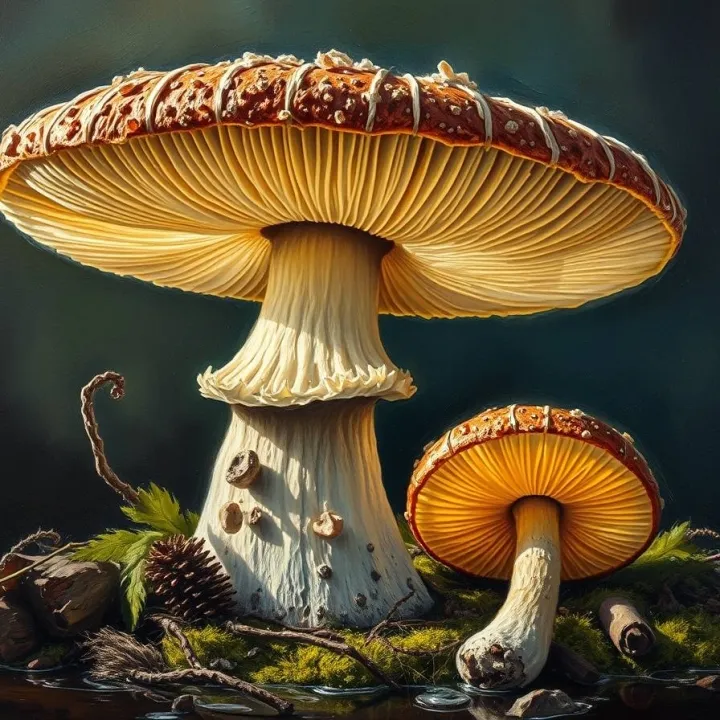
To make the method practical, the researchers validated it on a wide range of real-world materials: psilocybin-containing mushrooms, San Pedro cactus with mescaline, coca leaves with cocaine, ayahuasca decoctions with DMT and harmala alkaloids, as well as simulated supplement powders made with maltodextrin. They pushed the system to prove its reliability across all of them.
The results were impressive. Most compounds fell well within the required accuracy ranges, often between 88% and 124% recovery rates. The system proved sensitive enough to detect even trace levels, with limits of quantification far below the smallest calibration standard. In other words, whether a compound was present in large amounts or just whispers, the method picked it up and confirmed its identity.
Plants Under the Microscope
The study didn't just validate the method in the abstract - it demonstrated it in action. Chromatograms confirmed psilocin, psilocybin, and related tryptamines in Psilocybe cubensis mushrooms. Mescaline was reliably identified in San Pedro cactus. Coca leaves showed clear cocaine signatures. Ayahuasca tea revealed its complex blend of DMT alongside multiple beta-carboline alkaloids that shape its psychoactive effects.
For each of these botanicals, the test could confirm not only the presence but also the precise quantity of active compounds. That dual capacity - determination and confirmation - is what sets this method apart.
Implications for the Future of Psychedelics
By creating a standardized, validated way to test psychedelic botanicals, the study helps close the gap between traditional plant use and modern clinical science. For researchers, it means clinical trials can be conducted with confidence in the actual dosage participants receive. For therapists and patients, it means greater safety in emerging legal treatment contexts. For regulators, it offers a tool to establish quality standards as psychedelic-assisted therapy becomes more widespread.
Perhaps most importantly, this method shifts the conversation around psychedelics from one dominated by legal fears and anecdotal use to one grounded in science and reproducibility. As psychedelic research expands, methods like this one provide the analytical backbone needed to move from promise to practice.
A New Era of Precision
The late chemist Albert Hofmann, who first synthesized LSD, once described psychedelics as "medicine for the soul." If that vision is to be realized in a safe and sustainable way, the soul of the science must rest on reliable data. This new method may not make headlines like the clinical results of a psilocybin trial, but it quietly underpins the entire field.
From mushrooms to cactus, from tea to tablets, scientists now have a way to see exactly what's inside - and that precision could prove vital as psychedelics move into the future of medicine.