Explore current research and scientific developments curated by Seven Reflections. This section serves as our future home for official press releases - bridging the gap between discovery, structure, and meaning across science and society.
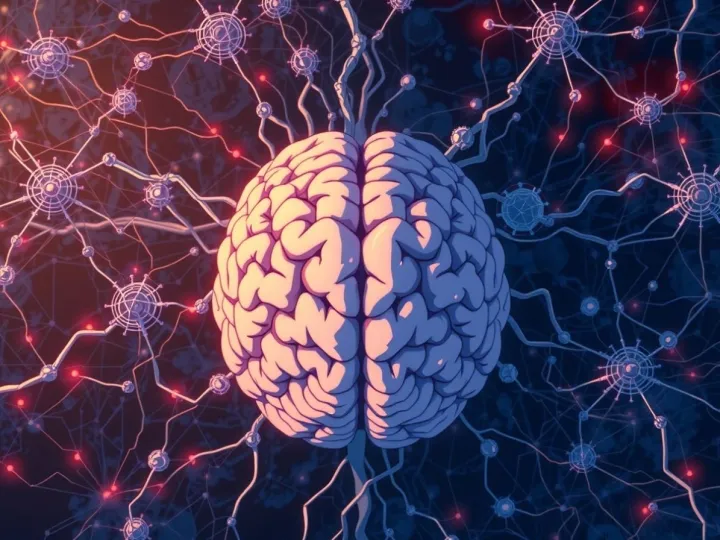
Is consciousness born in the back of the brain, where sensory signals first converge - or in the front, where thought, memory, and decisions take shape? A new open-access study in Neuroscience of Consciousness finds evidence for both views. Using advanced computational modeling of EEG data, researchers show that awareness depends on feedback loops spanning both sensory and frontal cortices, with only a slight edge for frontal involvement.
For years, medicine equated silence with absence - if a patient did not move or speak, it was assumed nothing remained inside. But new research shows otherwise: as many as one in four unresponsive patients may still be aware, their minds alive beneath the surface. A new study in Brain calls this state "covert consciousness" and urges doctors, families, and the public to adopt the term. The finding not only changes how we diagnose and treat brain injury, it challenges our deepest assumptions about what it means to be alive and present.
What does it mean to be conscious - to truly feel pain, pleasure, or fear? In her book Who Is Conscious?, Oxford biologist Marian Stamp Dawkins argues that one of the greatest obstacles to understanding awareness in humans and animals is not lack of evidence, but the words we use. By "flirting with consciousness," she warns, scientists and the public risk confusing observable behavior with the deeper mystery of subjective experience. Her call is simple but urgent: only clear language can bring clarity to the hardest question in science.
We usually think of conscious vision as all about detail and color - recognizing objects, reading words, spotting faces. But a new study finds that when it comes to knowing whether we're right or wrong about what we see, motion and location may give us a clearer sense of confidence. The discovery flips a long-standing belief in neuroscience and suggests awareness is more flexible - and surprising - than we thought.
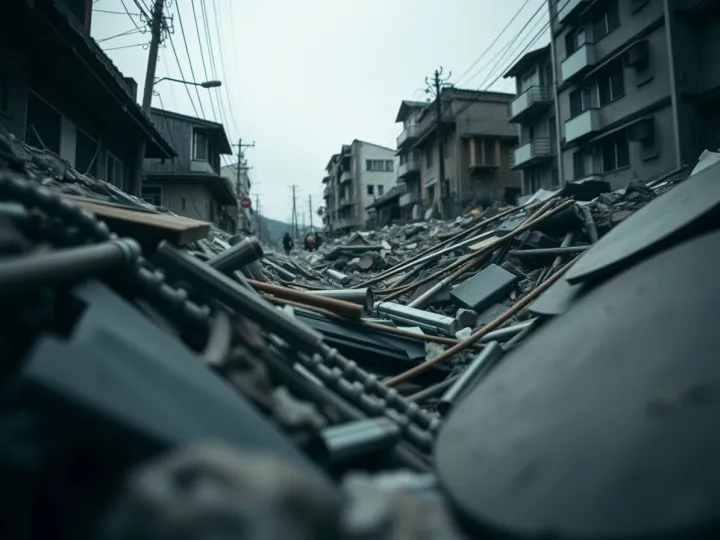
When disaster strikes, the damage goes far beyond bricks and mortar. For older survivors of the 2011 Great East Japan Earthquake and Tsunami, losing a home was not just a matter of shelter - it carried long-term consequences for the mind. A new longitudinal study in the American Journal of Epidemiology shows that disaster-related home loss significantly raised the risk of cognitive disability. Crucially, nearly half of this effect was explained by post-disaster depressive symptoms, with an additional role played by declining social cohesion. The findings underscore how psychological scars and weakened community ties can silently erode brain health years after the waters recede.
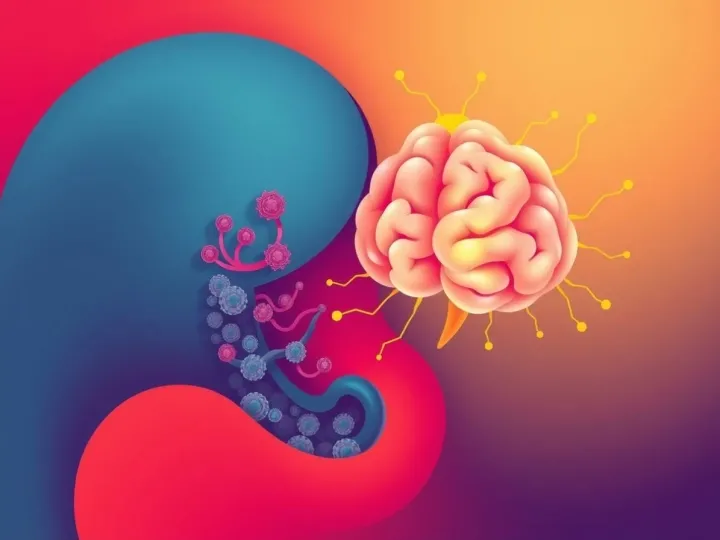
What if the future of mental health treatment doesn't come in the form of a pill, but as a microbe? A growing body of research points to the gut - brain axis - the two-way communication system between the digestive tract and the brain - as a powerful regulator of mood, cognition, and resilience. Psychobiotics, live microorganisms that can influence this system, are emerging as next-generation therapies. By producing serotonin, GABA, and other neuroactive compounds, restoring gut barrier integrity, and even being engineered through CRISPR or nanotechnology, these tiny allies could help rewrite the rules of psychiatry. Yet questions of safety, ethics, and personalization remain before psychobiotics can move from lab bench to mainstream mental health care.
What if reality isn't a static stage, but a loop - a cycle of perception and action where consciousness and physics co-create each moment? A new monograph by Emirhan Yildirim introduces The Reality Framework, a daring attempt to unify matter, mind, and meaning under one generative geometry. From the macroscopic world of occupations to the deepest level of subjective experience, the framework suggests that existence itself is not something we have, but something we enact.
Generative AI can already write reports, analyze data, and answer calls - tasks once reserved for police officers. But should it? A new framework, the Transformer Led Policing model, argues that the future of AI in law enforcement will not be decided by technology alone. It will depend on whether the public believes it is being used fairly, transparently, and with accountability at every step.
Does sitting at your desk all day really damage your mental health? A new review says the answer is far less clear - and it might even depend on whether your work sparks focus or dulls it.