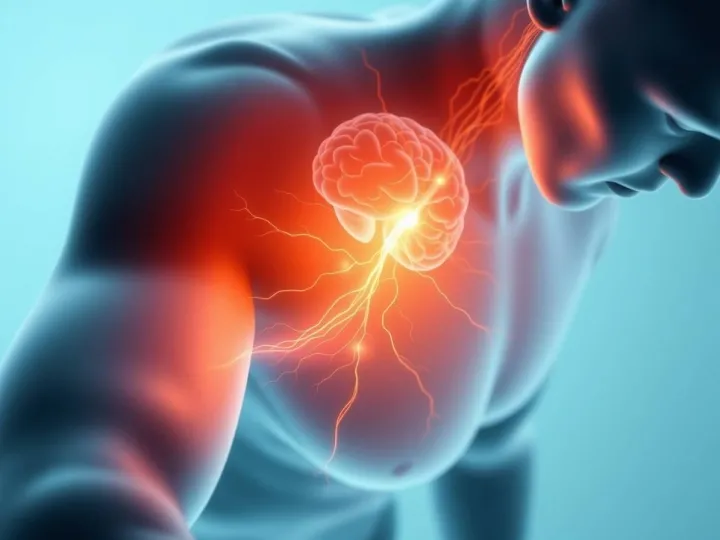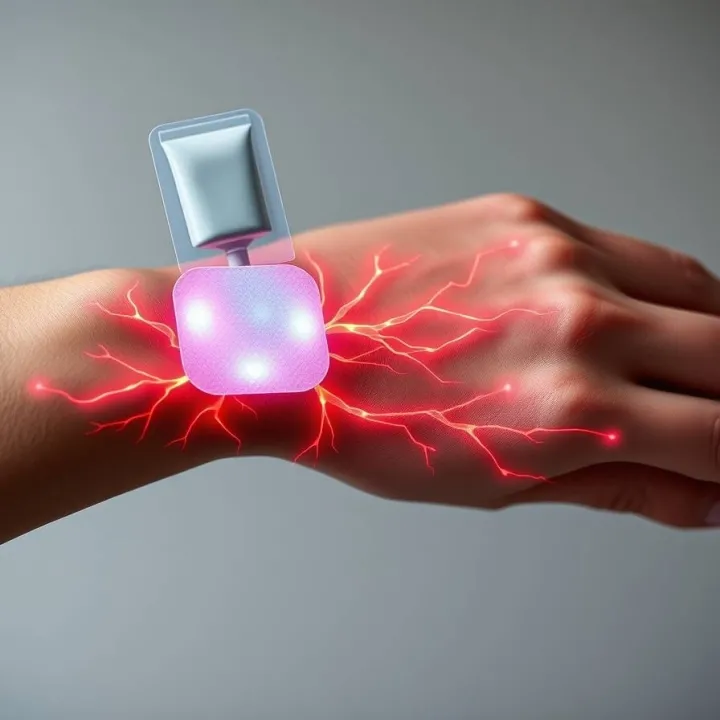
Neuropathic pain is one of medicine's most stubborn challenges, arising not from a cut or bruise but from damaged nerves themselves. For millions of people worldwide living with conditions like diabetic neuropathy, shingles, chemotherapy-induced nerve damage, or post-surgical pain, the sensation can feel like burning, stabbing, or electricity coursing through the skin. Traditional oral medications often come with systemic side effects, and invasive options carry their own risks. But a new evidence-informed review suggests that pain relief may be as close as the surface of the skin.
A panel of pain specialists sifted through decades of published research on topical treatments - creams, gels, patches, and high-concentration applications - to evaluate which actually work for neuropathic pain. Their findings shine a spotlight on a class of therapies that have long been overshadowed by opioids and systemic drugs, even though they can directly target nerve dysfunction with fewer whole-body side effects.
The review confirmed what some clinicians have seen in practice: capsaicin 8% patches, derived from chili peppers, and lidocaine patches or gels stand out as reliable first-line options. Capsaicin, the compound that gives hot peppers their burn, temporarily overwhelms pain fibers, reducing their ability to send pain signals. At high concentration, delivered under medical supervision, it has strong evidence for easing diabetic peripheral neuropathy and the lingering nerve pain of shingles. Lidocaine, a local anesthetic long used in minor surgeries and dentistry, is equally well-supported for postherpetic neuralgia and shows promise for several other nerve-related conditions.
Importantly, the panel's recommendations were not confined to these two standbys. Evidence, though sometimes less robust, also supports wider potential. Capsaicin patches may help people with nerve pain from HIV, chemotherapy, or complex regional pain syndrome. Lidocaine, beyond shingles, has moderate evidence for diabetic neuropathy, idiopathic nerve pain, and pain that lingers after surgery. And while clinical trial data on other topical agents - like antidepressants, nonsteroidal anti-inflammatory drugs, and gabapentin creams - remains thin, expert consensus suggests they can be useful in select situations, especially for hard-to-treat cases such as vulvodynia or post-traumatic neuropathy.
Why does this matter now? Because neuropathic pain has proven notoriously resistant to conventional therapy. Oral drugs like gabapentinoids, antidepressants, or opioids often provide incomplete relief while causing dizziness, sedation, constipation, or dependency risks. Topical therapies, by contrast, concentrate their action at the site of pain, minimizing systemic exposure. For patients juggling multiple medications for diabetes, cancer, or HIV, this difference can mean avoiding dangerous drug interactions. For older adults with fragile health, it can mean staying functional without trading pain for intolerable side effects.
The review also highlighted safety, cost, and practicality. Capsaicin 8% patches, though effective, require in-clinic application due to the intensity of the initial burning sensation. Lidocaine patches and gels, by contrast, are easy to use at home and have a strong safety profile. Even when the evidence base was weaker, the panel stressed that clinical expertise and patient preference should guide treatment choices - especially when the risks are low and the potential benefits are meaningful.
The broader implication is a cultural one: topical treatments deserve to step out of the margins of pain medicine. For too long, they have been viewed as adjuncts - "nice to try" but not central to care. Yet the data shows they can offer targeted, evidence-backed relief for conditions that devastate quality of life.
Still, gaps remain. The strongest evidence exists for only a handful of conditions, while many patients suffer from neuropathic pain of varied origin. Larger, more rigorous trials are needed, particularly for topical antidepressants, NSAIDs, and novel compounds that could expand the therapeutic arsenal. And while consensus is high for certain uses, physicians often lack clear prescribing guidelines, leaving patients caught in trial-and-error cycles.
What emerges is not a single miracle cure but a more nuanced toolkit. Topical analgesics cannot solve every case of neuropathic pain, but they offer a safer, often underutilized option to try before escalating to riskier systemic drugs. For patients and clinicians alike, this means a shift in mindset: relief doesn't always have to come from a pill bottle or a procedure. Sometimes, it can be applied directly to the skin.
As healthcare systems worldwide grapple with the dual burdens of chronic pain and opioid misuse, the findings could not be timelier. Topical treatments may help reduce reliance on systemic medications, improve patient quality of life, and offer a path forward in conditions where pain has too often been seen as untreatable.
Neuropathic pain rewires the nervous system, creating sensations that can be invisible to others yet unbearable for the patient. By listening to the evidence - and rethinking old assumptions - clinicians now have a clearer guide to using skin-applied therapies as a real line of defense. For those living with the daily fire of nerve pain, that shift could feel revolutionary.