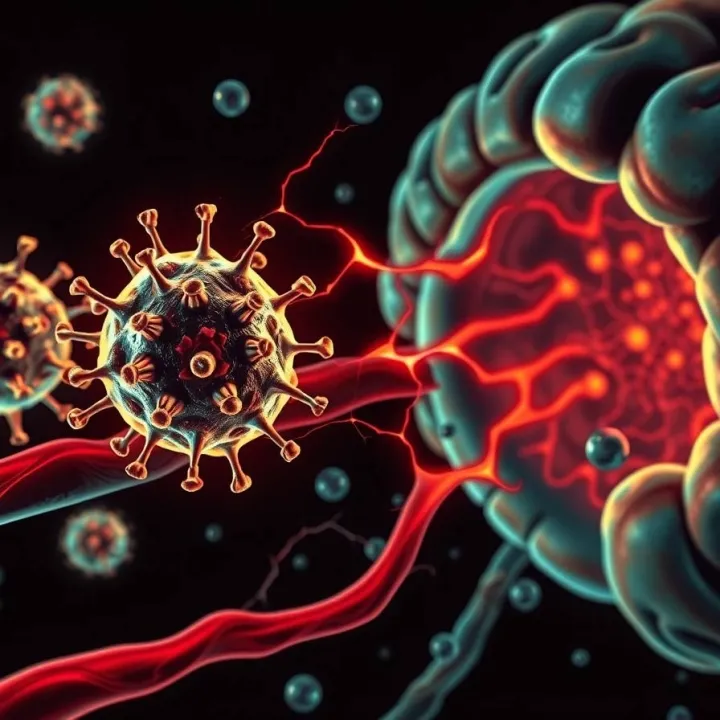
The human brain is often described as the body's most protected organ. Encased in bone, bathed in cerebrospinal fluid, and guarded by the blood-brain barrier (BBB), it is designed to stay sealed off from invading pathogens. Yet many viruses - from herpes simplex and varicella to HIV and SARS-CoV-2 - have evolved ways to weaken, bypass, or even exploit this fortress. When they succeed, the consequences can be devastating: swelling, seizures, encephalitis, stroke, cognitive decline, and long-term neurological disease.
A new review published in The Journal of Infectious Diseases brings together decades of molecular research to explain how viruses undermine the BBB, what biomarkers signal that the barrier is breaking down, and what treatments could one day reinforce this fragile but vital defense system.
The Brain's Shield
The blood-brain barrier is not a single wall but a tightly regulated network of endothelial cells, pericytes, and astrocytes - supported by neurons and microglia - that together make up the neurovascular unit. Its job is deceptively simple: let nutrients and oxygen in while keeping pathogens, toxins, and inflammatory molecules out.
To achieve this, endothelial cells form tight junctions that drastically limit paracellular leakage, while astrocytic endfeet wrap the vessels to reinforce the seal. Pericytes add further structure and regulation. When functioning properly, the BBB is highly selective, allowing only what the brain needs to cross. But viral infections, directly or indirectly, can weaken the bonds that hold this barrier together.
How Viruses Slip Through
Researchers describe several routes of entry. Some viruses are neurotropic - they directly infect brain endothelial cells or travel along nerves, such as the olfactory or trigeminal pathways. Others use the so-called Trojan horse mechanism, hitching a ride inside infected immune cells that then migrate across the barrier. Still others don't need to enter immediately; systemic infection and inflammation can flood the bloodstream with cytokines and chemokines that disrupt endothelial junctions, opening the gates for later invasion.
Once the BBB is compromised, viruses not only gain access to brain tissue but also unleash the immune system inside the central nervous system (CNS). Microglia and astrocytes release inflammatory mediators that, while intended to fight infection, often amplify the damage. This cascade can lead to encephalitis, meningitis, microcephaly, and chronic neurocognitive decline.
Lessons from Different Viruses
Herpes simplex virus (HSV-1) remains the most common cause of sporadic viral encephalitis in adults and children in high-income countries. It often infects the temporal lobes, where replication triggers the release of CXCL1, a chemokine that recruits neutrophils. These immune cells, once inside, disrupt the BBB further and add to brain swelling. For some patients, the immune response itself, not just the virus, is the main driver of injury.
Varicella zoster virus (VZV), known for causing chickenpox and shingles, can also attack the CNS. When it reactivates in dorsal root ganglia, it may lead to inflammation of cerebral blood vessels, raising the risk of stroke. Researchers have linked this process to matrix metalloproteinases (MMPs), enzymes that degrade the basement membrane and tight junctions, weakening barrier integrity.
Japanese encephalitis virus (JEV), the leading cause of viral encephalitis in Asia, infects endothelial cells directly, ramping up BBB permeability and allowing the virus to multiply in the brain. Inflammatory molecules like CXCL10 amplify this breakdown. Similar mechanisms are at play in related flaviviruses such as West Nile, dengue, and Zika.
HIV enters the CNS early in infection, often hidden inside macrophages that cross the BBB. The resulting inflammation contributes to white matter damage and long-term complications collectively termed HIV-associated neurocognitive disorders. Fragmented tight junction proteins such as occludin and ZO-1 have been observed in brain samples from patients with HIV encephalitis, confirming the structural breakdown of the barrier.
And of course, SARS-CoV-2, the virus behind COVID-19, has added a new chapter. Autopsy studies show that while the virus is rarely abundant in brain tissue, neurological symptoms - from brain fog to strokes - are common. Evidence points toward indirect mechanisms: systemic inflammation, lung-brain immune crosstalk, and hypoxia all contribute to BBB dysfunction. Elevated levels of blood biomarkers such as neurofilament light (NfL) and glial fibrillary acidic protein (GFAP) correlate with cognitive impairment and encephalopathy, even months after infection.
Biomarkers of Barrier Breakdown
Clinicians cannot always see BBB leakage directly, but they can measure its fingerprints. A rise in cerebrospinal fluid albumin relative to serum albumin suggests greater permeability. Blood biomarkers such as GFAP, S100B, tau, and NfL indicate neuronal and astrocytic damage. Advanced imaging, like dynamic contrast - enhanced MRI, allows real-time tracking of gadolinium leakage across the barrier. Together, these tools help assess when viruses have breached the fortress.
Therapies and New Frontiers
At present, treatment strategies are limited. For herpes simplex encephalitis, timely use of antivirals such as acyclovir can save lives, though it does not always prevent neurological complications. For viral infections without direct therapies, such as Japanese encephalitis, vaccination remains the most powerful protective measure.
Beyond attacking the virus itself, scientists are exploring ways to protect or repair the BBB. Corticosteroids like dexamethasone may help tighten junctions and reduce edema, though their effects on viral replication are still debated. Osmotic therapies such as mannitol and hypertonic saline are used to relieve cerebral swelling, but their long-term benefits in viral-induced BBB injury are unclear.
Experimental strategies are even more intriguing. Inhibiting MMPs could reduce tight junction degradation. Modulating aquaporin-4 channels may control fluid balance during edema. Drugs that increase vascular endothelial cadherin, or manipulate sphingosine-1-phosphate receptors (already used in multiple sclerosis), show promise in restoring barrier integrity. Nanoparticle-based therapies are being tested to deliver protective molecules directly to inflamed brain vessels.
Why This Matters
The stakes are high. BBB dysfunction is not just an acute crisis during viral infection; it may set the stage for long-term neurological disease. Survivors of encephalitis, HIV, and COVID-19 often experience chronic cognitive problems that trace back to early barrier breakdown. By learning how viruses open the gates, researchers hope to close them more effectively - reducing not only immediate mortality but also lifelong disability.
As the review concludes, the BBB is more than a passive wall. It is a dynamic, living structure engaged in constant crosstalk with the immune system. Viral infections exploit this crosstalk, sometimes turning the brain's own defenses against it. The future of therapy lies not just in stopping viruses from replicating but in protecting the barrier that guards our most vital organ.