Explore current research and scientific developments curated by Seven Reflections. This section serves as our future home for official press releases - bridging the gap between discovery, structure, and meaning across science and society.
One sequence, two fates. DNA repeats in the C9orf72 gene, the most common genetic cause of ALS and FTD, fold into different G-quadruplex knots. These hidden structures may determine whether neurons survive - or unravel.
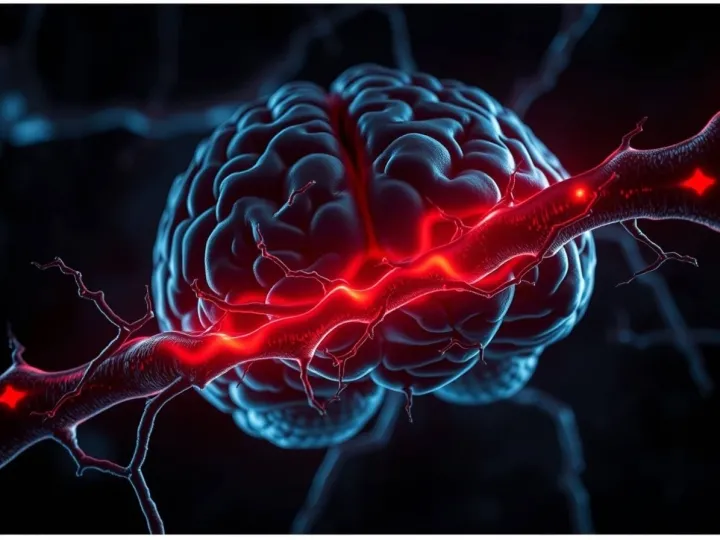
Attention falters before memory. New research finds the prefrontal cortex blood - brain barrier is the first to weaken in ageing, offering a clue to why executive function and focus decline earlier than other cognitive skills.
Kendo is more than a sport with bamboo swords - it is a discipline where breath, focus, and movement merge into one. A new international study suggests that this martial art may also fortify the mind. Surveying nearly 600 participants across Japan and Europe, researchers found that kendo practitioners reported higher resilience, stronger life coherence, and greater self-esteem than non-practitioners. While cultural differences shaped the details, the results point to a compelling idea: martial arts that unite body and mind may hold unique promise for psychological well-being.
Stress spreads - and so do our habits. In families facing anorexia nervosa, a new dyadic study shows how one parent's distress can nudge both parents toward accommodating the illness, with ripple effects on symptoms 12 months later.
Does beauty change the way we think? For centuries, philosophers claimed that aesthetic experience carries a unique attentional quality. Now neuroscience confirms it: when we engage with beauty, the brain enters a heightened state of focus that sharpens perception and deepens meaning.
Why do people with no head injury report symptoms that look like concussion? A new study of more than 600 adults finds the answer in the mind, not the brain. Rumination - repetitive, negative self-focused thinking - was a strong predictor of post-concussive complaints, while reflection offered no protection. The findings highlight rumination as a hidden driver of symptom reporting and a clinical target for better recovery outcomes.
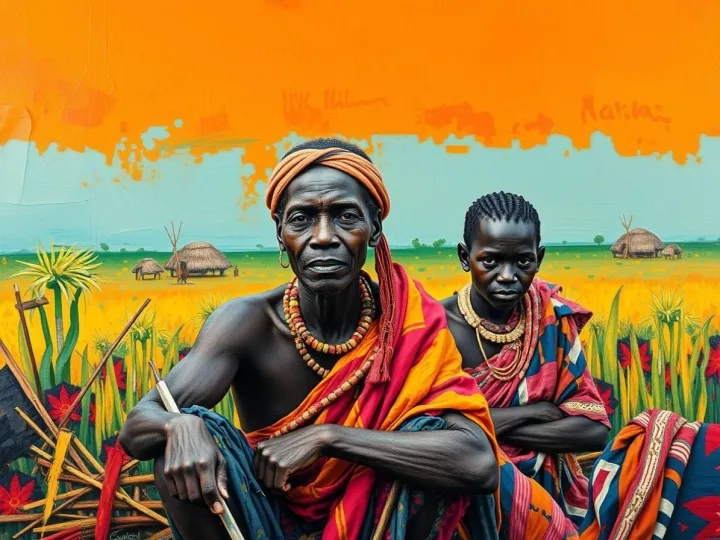
A rare, community-wide map of knowledge flow shows two distinct networks at work in a BaYaka forager society. Costly skills - like foraging techniques - move in tighter, age-structured channels from older to younger people. Fast, situational information - like food locations - spreads broadly and reciprocally among peers, bridging ages and strengthening daily cooperation.
Change is no longer the exception - it's the daily reality of work. The APA's 2025 Work in America™ Survey reveals how AI adoption, shifting work arrangements, and mental health pressures are reshaping the employee experience. Some workers are thriving on productivity gains, while others struggle with uncertainty, stress, and a widening gap between leadership and the front lines.
Everyday choices - reading, learning, staying active - may help build a buffer against one of the most feared diseases of aging. A new study from the Amsterdam Dementia Cohort shows that people who engage in cognitive and physical activity enjoy stronger resilience against Alzheimer's, even when brain scans reveal significant atrophy.