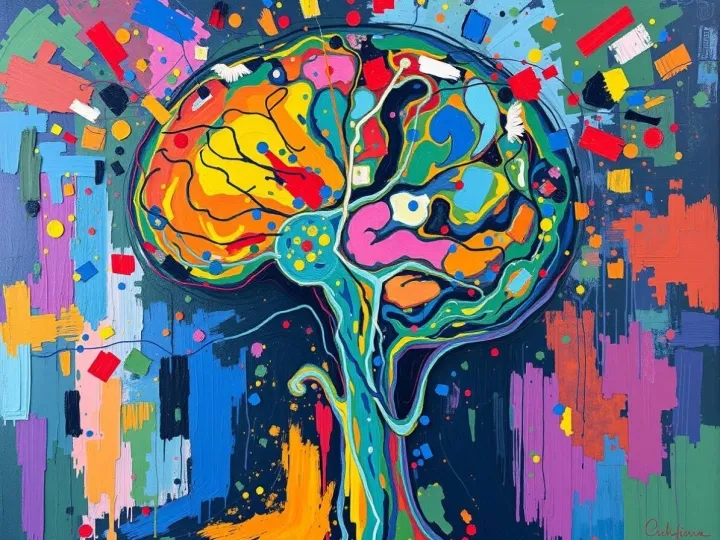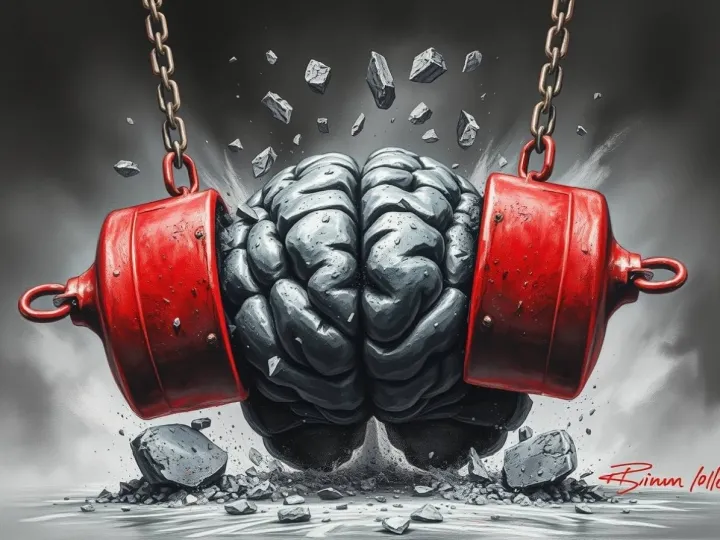
We often think of sport as a matter of fitness - running for the lungs, lifting for strength, or cardio for the heart. Yet traditions like kendo point to another layer: a discipline where the body and breath become a vehicle for cultivating the mind. A recent exploratory international study attempted to capture this intersection, asking whether practitioners of kendo display measurable psychological advantages compared to those who do not practice the art.
The researchers surveyed 579 adults from Japan and Europe, dividing them into kendo practitioners and non-practitioners. Participants completed widely used psychological questionnaires: the Connor - Davidson Resilience Scale (CD-RISC) to measure adaptability under stress, the Sense of Coherence (SOC) scale to assess confidence in dealing with life's challenges, the Rosenberg Self-Esteem Scale, the K6 distress index, as well as measures of coping style and emotion regulation. Reliability of the instruments was generally good, with the exception of the Emotional Regulation Questionnaire, which showed weaker internal consistency. Data were analyzed with non-parametric statistics, reflecting the unequal group sizes and non-normal distributions.
When results were pooled across both regions, the kendo practitioners consistently showed higher resilience, stronger sense of coherence, and greater self-esteem than their non-kendo counterparts. Scores on the K6 distress index also differed, though interpretation is complicated since higher K6 values represent greater psychological distress rather than strength. Taken together, these findings suggest that the act of training with bamboo swords, accompanied by the controlled breathing and mental focus intrinsic to the art, may indeed cultivate psychological resources beyond those conferred by exercise alone.
However, once the data were split by culture, the picture became more nuanced. Among Japanese participants, only self-esteem reached significance, with kendo practitioners reporting higher self-worth than those who did not practice. Among Europeans, no significant differences were observed across the scales. The divergence hints at the role of cultural background in shaping how psychometric properties are experienced and reported. In collectivist cultures like Japan, where self-esteem often functions differently than in the West, the mindful, effortful training of kendo may provide a clearer psychological boost. In Europe, where individualistic values dominate, those differences were harder to detect.
These findings resonate with the philosophy embedded in kendo itself. Unlike Western sports, which tend to emphasize victory and competition, martial arts traditions carry a different logic: self-control, self-knowledge, and the cultivation of inner calm. Rooted in Zen Buddhist ideals, kendo teaches that the unity of mind and body is achieved not only through physical exertion but also through mindful attention and disciplined breathing. Studies of diaphragmatic breathing confirm its role in lowering cortisol, enhancing attention, and fostering resilience against stress. By combining the physical demand of combat training with the contemplative rhythm of mindful breathing, kendo embodies "Zen in action."
That dual nature may explain why martial arts show benefits that other sports often lack. While football or basketball offer cardiovascular fitness, they rarely prescribe calm observation of thought and sensation. The survey authors note that professional footballers today exhibit striking rates of anxiety, depression, and burnout, sometimes exceeding a third of players. When those same athletes undergo mindfulness-based stress reduction training, their symptoms improve. Kendo, by design, integrates this mindfulness into every strike and breath.
The study has clear limitations. Participants were self-selected through email and social media, and the reliance on self-report surveys opens the possibility of bias. Younger and less experienced kendo players may answer differently than older, long-term practitioners, and the inclusion of some participants under eighteen in the Japanese sample raises questions about consistency with the stated criteria. Most critically, the cross-sectional design means that causal relationships cannot be claimed: it remains unclear whether kendo cultivates resilience or whether resilient individuals are simply drawn to kendo.
Even so, the work highlights a growing recognition that martial arts may serve as more than cultural artifacts or physical activities. They may offer inexpensive, accessible interventions for psychological health, complementing traditional therapy. The idea is not without precedent. Yoga, once dismissed as a fad, is now studied seriously as a psychiatric treatment. Kendo and related disciplines like judo could follow a similar path, providing structured ways to enhance resilience, regulate emotions, and cultivate calm awareness.
In closing, the findings suggest that the sword is not only a weapon but also a mirror. For those who practice kendo, each strike carries the potential to strengthen the body while tempering the mind. Resilience, coherence, and esteem may not be guaranteed outcomes, but they emerge as signatures of a discipline that fuses movement with mindfulness. Whether future longitudinal studies confirm causation or not, the present evidence adds weight to a simple truth: when body and mind are trained together, the field of battle may extend inward, where the struggle for balance and clarity is won.