Explore current research and scientific developments curated by Seven Reflections. This section serves as our future home for official press releases - bridging the gap between discovery, structure, and meaning across science and society.
A new longitudinal study published in JAMA Neurology reveals that children exposed to the pesticide chlorpyrifos before birth show measurable structural and metabolic changes in their brains years later. The findings, based on MRI scans of 270 children from northern Manhattan and the South Bronx, connect prenatal exposure with altered cortical development, reduced white matter, and poorer motor performance - underscoring the long-term neurodevelopmental risks of common environmental pesticides.
Culture is often seen as the soul of an organization - the invisible glue that holds people together. But beneath that shared purpose lies a system of subtle controls: rewards, disapproval, and silent expectations that shape how members think, feel, and act. A new open-access study by economist Mark Gradstein in The Journal of Law, Economics, and Organization offers a formal model of how culture and control intertwine, showing that management doesn't just guide performance - it engineers belief itself.
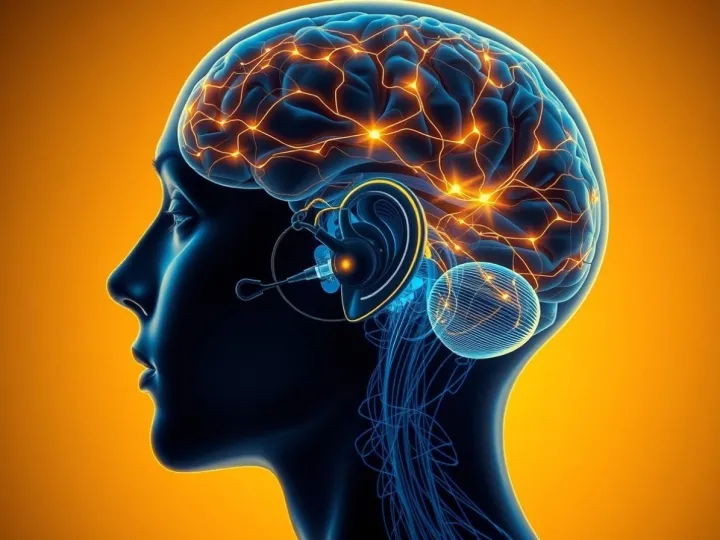
Sound is more than vibration - it's connection, orientation, and meaning. When hearing begins to fade, the loss extends beyond the ear, quietly reshaping mood, cognition, and emotional life. A new seven-year longitudinal study from researchers in Australia finds that hearing loss significantly increases the risk of depression in older adults - but that consistent hearing aid use can sharply reduce this risk. The findings underscore how sensory experience acts as a foundation for psychological health, suggesting that restoring hearing may be as vital as treating mood itself.
Ketogenic diets are often praised for their weight-loss benefits, but new evidence suggests their impact reaches deeper - into the health of the liver itself. A large meta-analysis of clinical trials shows that going keto may lower key liver enzymes and reduce signs of stress in the body's most complex metabolic organ. Yet while these short-term improvements look promising, the research also reminds us that balance matters: what helps one system adapt can, if pushed too far or followed too long, strain another.
Meditation has long been portrayed as a safe and universal remedy for stress, focus, and emotional healing. Yet new evidence paints a more complex picture. In the largest U.S. survey of its kind, researchers found that more than half of all meditators experience adverse effects, some severe enough to impair daily functioning. These findings echo centuries-old warnings from contemplative traditions that transformation of the mind is not without turbulence. The study opens an important conversation about safety, guidance, and the structure of consciousness itself.
A new analysis from the Framingham Heart Study, published in JAMA Neurology, shows that even mild hearing loss in midlife may mark the beginning of structural brain aging. Researchers found smaller brain volumes, more white-matter damage, and faster cognitive decline among participants with hearing deficits - and a 71 percent higher risk of dementia, especially in those carrying the apolipoprotein E e4 gene variant. Encouragingly, hearing-aid use reduced the risk. The results strengthen the view that sensory health is inseparable from brain health and may offer a pathway for dementia prevention.
A new open-access study in Sleep reveals that chronic sleep restriction - just five hours per night for a week - makes the human brain more reactive to rewards and less stable in decision making. Researchers from Monash University and the University of Sydney found that after limited sleep, participants updated their choices faster in response to rewards but lost consistency in strategy, suggesting heightened impulsivity. The results show how even mild, sustained sleep loss shifts our cognitive balance between exploration, control, and reward-seeking behavior.
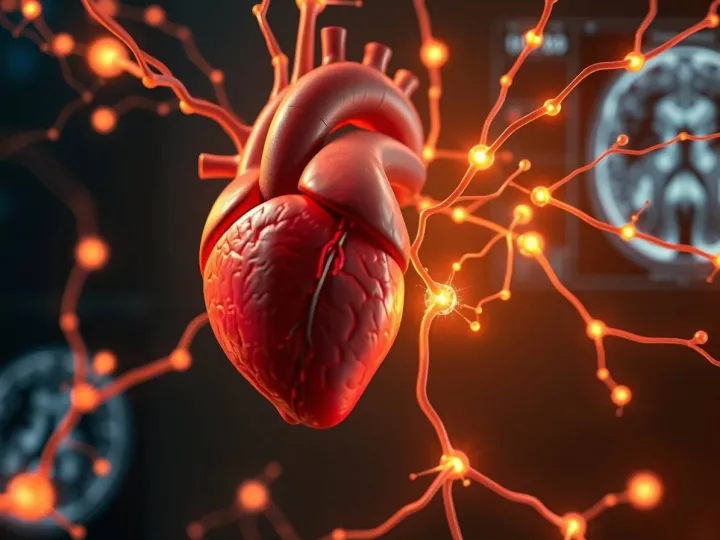
A 25-year follow-up of nearly 6,000 adults in the European Heart Journal reveals that even small, "silent" signs of heart injury in midlife - detected by high-sensitivity cardiac troponin I - can forecast dementia decades later. The study, part of the long-running Whitehall II project, found that participants with elevated troponin experienced faster cognitive decline, smaller brain volumes, and higher dementia risk. These findings add to growing evidence that the boundary between cardiovascular and neurodegenerative disease is fluid, reshaping how medicine defines aging, memory, and the heart - brain connection.
A $3 million Breakthrough Prize has honored scientists whose work transformed how we understand multiple sclerosis (MS): the disease once blamed on "mystery autoimmunity" now appears tied to a common virus - and to ancient genetic legacies. Meanwhile, new research in Brain Communications uncovers how immune cells in the cerebrospinal fluid interact dynamically with neuronal damage markers during MS. Together these discoveries reveal a system that is neither purely viral nor immune nor genetic - but a living dialogue between ancestry, infection, and the brain's own defense fields.