Neuroscience & Health explores how the nervous system protects and sustains us - and what happens when it breaks down. From viral infections and pain pathways to therapies that restore brain function, this section connects lab discoveries with clinical advances to improve human well-being.
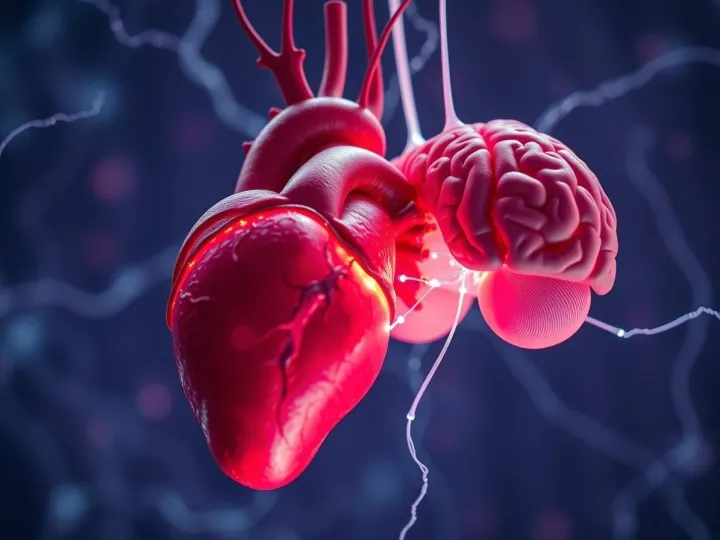
When a patient's heart fell into electrical chaos, doctors turned not to a drug, but to the mind itself. In an extraordinary case, cardiologists used hypnosis to reproduce the effects of a nerve block - stopping a deadly electrical storm and stabilizing the rhythm through guided imagery. The event challenges the boundary between medicine and consciousness, hinting that the language of the body may, at its core, be the language of awareness.
What if addiction isn't just psychological, but metabolic - a feedback loop between hunger, energy, and awareness? New research in the Journal of the Endocrine Society shows that GLP-1, the same hormone behind the global weight-loss revolution, may also reshape how the brain processes craving and reward. As scientists uncover the hormone's role in modulating dopamine and stress pathways, a new picture of addiction is emerging: one where biology, behavior, and consciousness share the same circuitry.
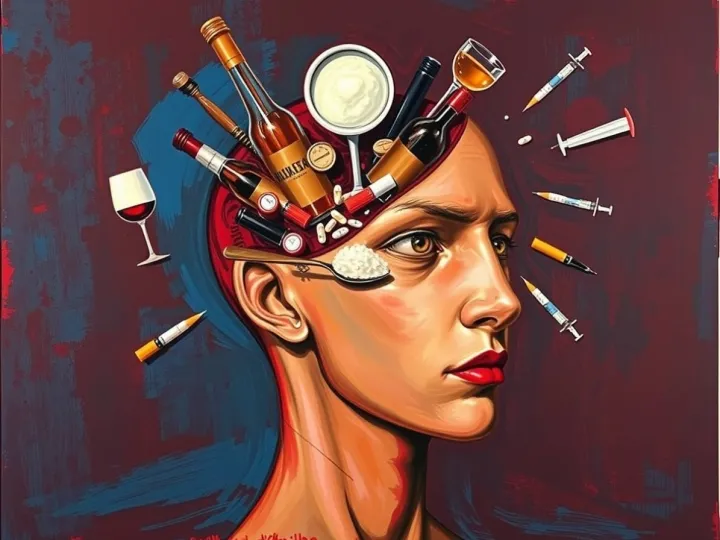
What happens when a treatment that saves your mind also quiets your soul? In his first-person paper in Schizophrenia Bulletin Open, Jensen Gert describes the hidden cost of antipsychotic sedation - a state where emotions fall silent and thought loses its depth. His account reframes "non-compliance" as something more human: a conscious decision to preserve emotional life in the face of chemical stillness. It invites psychiatry to listen not only to symptoms, but to the lived mind beneath them.
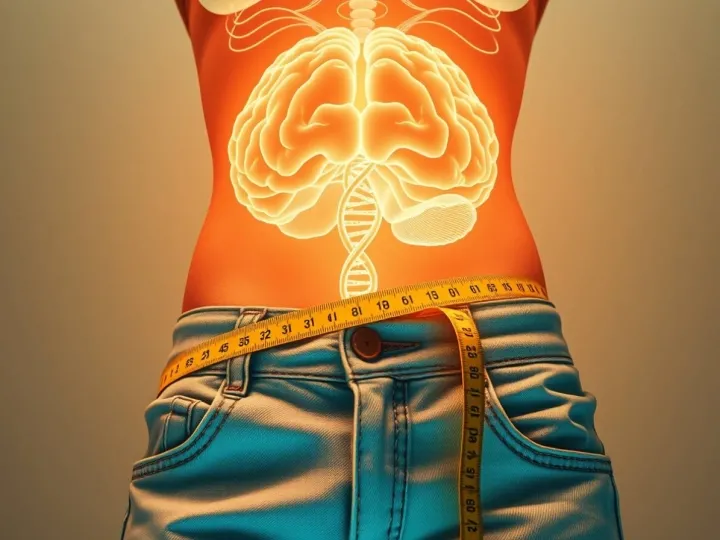
In rare forms of genetic obesity, hunger begins in the brain - not the stomach. For decades, these conditions were misunderstood as failures of self-control. Now, advanced therapies are revealing a deeper truth: that appetite itself is coded in molecular language. As new treatments like setmelanotide and semaglutide restore lost communication between genes and neurons, medicine is entering a new phase - one where weight is no longer a moral issue, but a system to be decoded, understood, and harmonized.
From neuron - tumor crosstalk to cutting-edge viral therapies, the October 2025 Neuro-Oncology supplement reveals a field racing ahead. Yet beneath the data lies a deeper question: how do we save lives without losing the self? This digest explores the science, the care, and the meaning of new frontiers in brain cancer research.
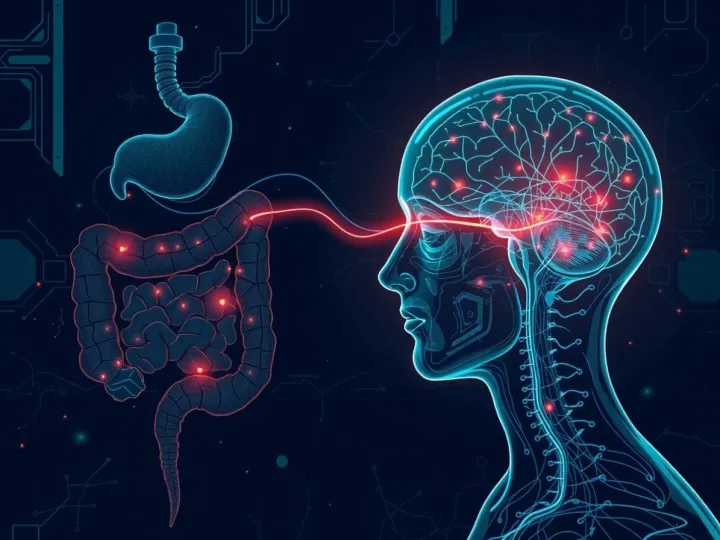
Mental health challenges are a hidden burden of inflammatory bowel disease. A new study shows patients want psychological care woven directly into their IBD treatment, with flexible models that combine clinics, virtual support, and self-help.
A strong heart isn't built on diet and exercise alone. New evidence shows that loneliness and life dissatisfaction are as dangerous for cardiovascular health as high cholesterol or hypertension, making social bonds and life satisfaction vital for long-term survival.
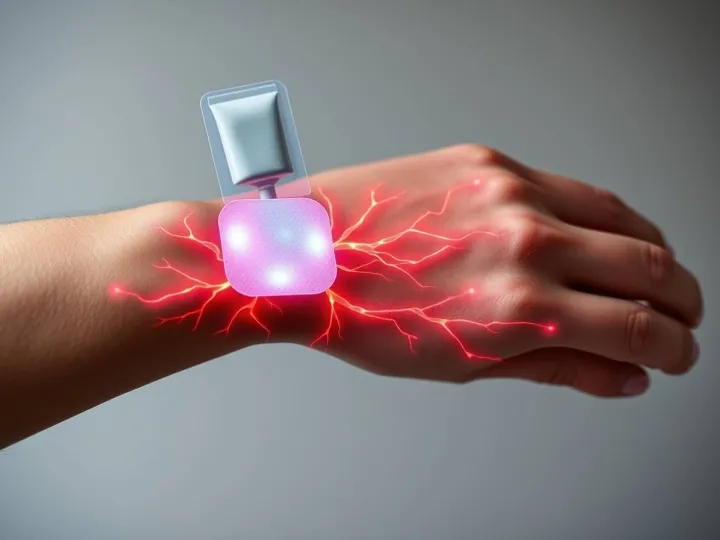
Topical treatments are stepping out of the margins of pain care. From capsaicin patches to lidocaine gels, new evidence shows that skin-applied therapies can deliver powerful relief for stubborn nerve pain with fewer side effects than systemic drugs.
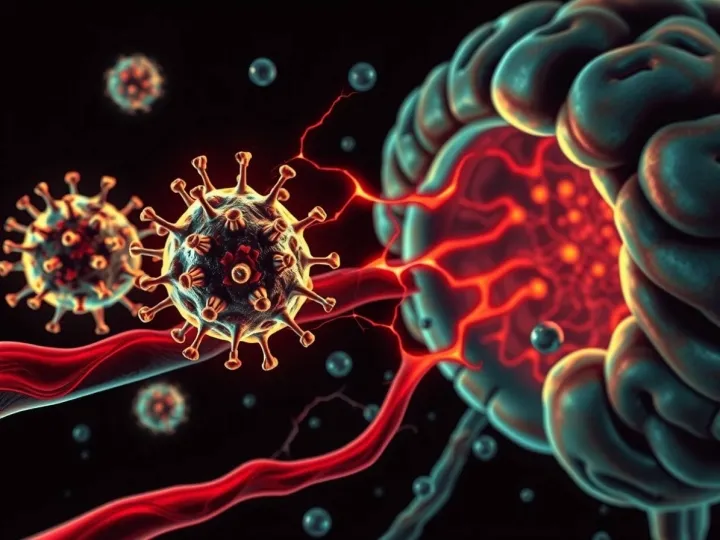
The brain has its own fortress - the blood-brain barrier - designed to keep invaders out. Yet many viruses, from herpes and varicella to HIV and SARS-CoV-2, find ways to weaken or slip past this protective shield. Once breached, the results can be devastating: encephalitis, stroke, and long-term cognitive decline. A new review reveals how viruses exploit molecular weaknesses in the brain's defenses, how immune responses sometimes do more harm than good, and what therapies could one day help seal the barrier back up.