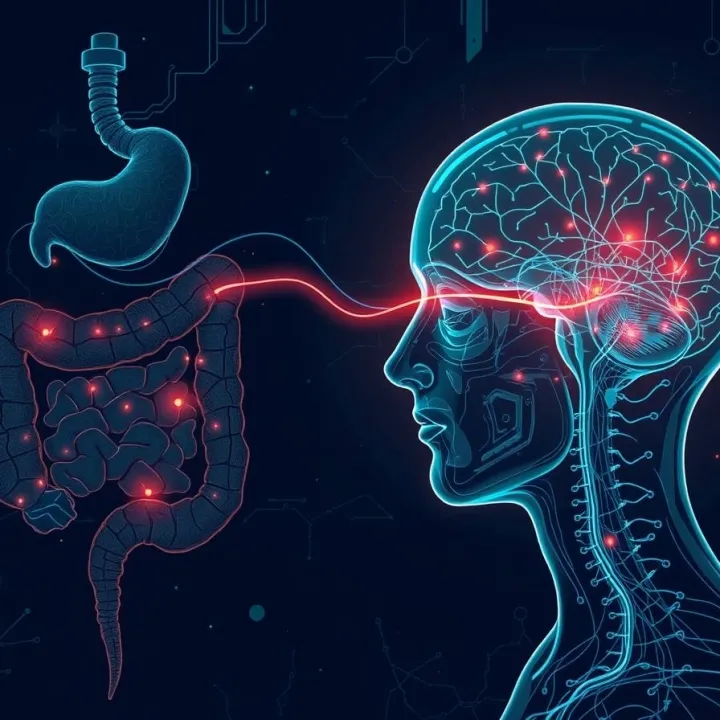
For people living with inflammatory bowel disease (IBD), the illness is not just physical. Beyond flare-ups, fatigue, and hospital visits, many patients also carry a heavy psychological burden. Anxiety, depression, and stress - together called IBD-related psychological distress - can make the disease harder to manage and worsen outcomes.
A new Canadian study published in the Journal of the Canadian Association of Gastroenterology shines a light on how to better support this population. By listening directly to patients, researchers found that people with IBD want their mental health addressed as an integrated part of their medical care - not treated as an afterthought.
Listening to patients' voices
The research team, based at Dalhousie University and Nova Scotia Health, interviewed 14 adults living with IBD. Using a qualitative approach, they asked about patients' experiences with mental health, barriers to accessing help, and preferences for support.
The message that came through loud and clear: psychological distress is inseparable from physical illness. Participants stressed that gastroenterology clinics should routinely acknowledge and address mental health during appointments. One patient put it simply: "Mental health is important for physical health because they're not separate entities."
Beyond pills and procedures
For decades, IBD care has centered on suppressing inflammation through medications, surgeries, and dietary management. But this study underscores what many patients already know - mental well-being is just as important. Untreated distress is linked to more severe disease activity, higher rates of hospitalization, and even increased mortality.
The interviews revealed that many patients never received referrals for psychological support. Some weren't even aware services existed. Others feared stigma or worried that bringing up mental health would distract from their medical care. Yet when mental health was acknowledged, patients reported feeling validated and more willing to engage in treatment.
What support should look like
Participants expressed strong interest in flexible, human-centered care. There was no one-size-fits-all solution. Some valued group sessions that foster empathy and reduced isolation. Others worried group settings would be overwhelming, especially if they heard distressing stories from peers. One-on-one sessions with psychologists were highly valued for privacy and expertise.
Virtual care emerged as another promising option. Most patients welcomed the chance to connect with providers from home, citing convenience and reduced stress. For people with a disease that often makes travel difficult, this flexibility mattered. Still, a few participants worried about confidentiality or the lack of face-to-face connection.
Interestingly, many patients leaned on self-help strategies and informal support from family and friends. While helpful, this often meant they missed out on formal therapy. The study suggests that health systems should embrace a hybrid approach - offering professional care while also encouraging accessible tools like apps, self-guided programs, and peer mentors.
The value of expertise
One striking theme was the balance between psychological training and disease-specific knowledge. Patients said they preferred working with highly qualified psychologists, even if those clinicians had limited IBD knowledge. At the same time, they valued when support providers understood the realities of IBD - its unpredictability, stigma, and impact on daily life.
As one participant put it: "Something is better than nothing. If an individual needs support, which comes in the form of someone who doesn't have GI knowledge, it's still better than nothing."
A roadmap for human-centered care
The researchers frame their findings as a roadmap for designing future services. They recommend that IBD clinics:
- Screen routinely for psychological distress.
- Discuss mental health directly with patients as part of standard care.
- Offer flexible delivery models including in-person, virtual, group, and one-on-one options.
- Integrate self-help tools alongside professional support.
- Train providers to validate patients' emotional experiences.
This modular, patient-centered approach could make care more scalable across healthcare systems with varying resources.
Why it matters now
Canada has some of the highest rates of IBD in the world, with nearly half a million people expected to be diagnosed by 2030. The mental health toll is immense: studies suggest that most people with IBD experience psychological distress at some point, yet nearly half feel they lack adequate support.
With chronic disease management moving toward holistic, integrated models, the timing is right. The COVID-19 pandemic accelerated acceptance of virtual care and highlighted the deep connections between stress, immunity, and disease flare-ups. Patients are asking for mental health to be treated not as a side note, but as a core part of living well with IBD.
The bottom line
For too long, the emotional side of IBD has been overlooked. This study reminds clinicians, policymakers, and patients themselves that the gut and the mind are intertwined. Addressing distress is not optional - it's central to better outcomes.
As health systems adapt, the hope is that every person with IBD will not only receive cutting-edge medications but also the compassionate psychological support they deserve. After all, treating the whole patient means caring for both body and mind.