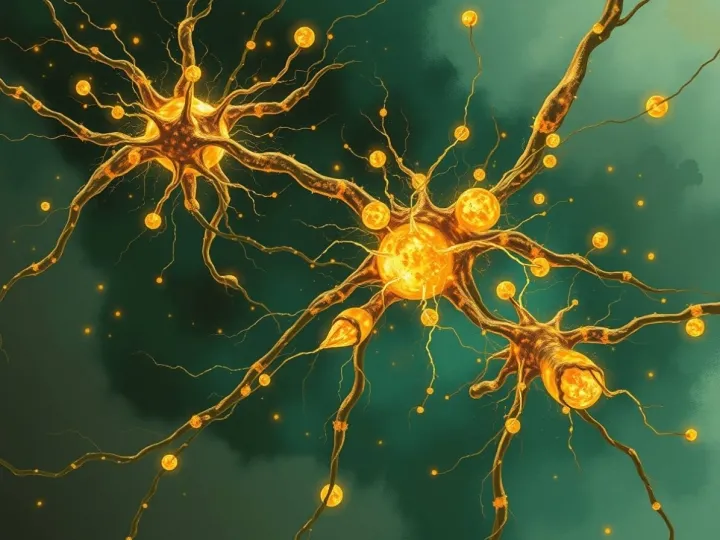
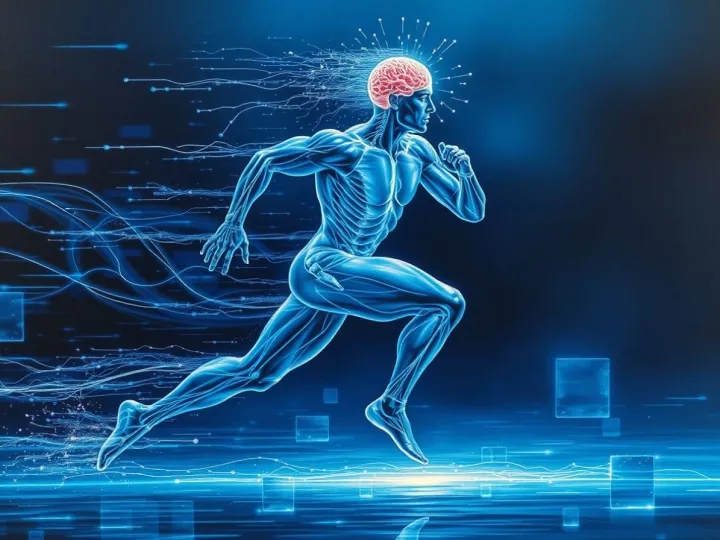
Neuroscience & Health explores how the nervous system protects and sustains us - and what happens when it breaks down. From viral infections and pain pathways to therapies that restore brain function, this section connects lab discoveries with clinical advances to improve human well-being.
A new article in JACC: Advances revisits one of cardiology's most entrenched beliefs - that aspirin should be continued indefinitely after a heart attack. Authors John G. F. Cleland and Andrew L. Clark argue that this long-standing practice may no longer be justified. Reviewing major trials, they suggest that informed patients may now understand the limits of aspirin therapy better than some of their doctors, raising a deeper question about how medicine distinguishes evidence from tradition.
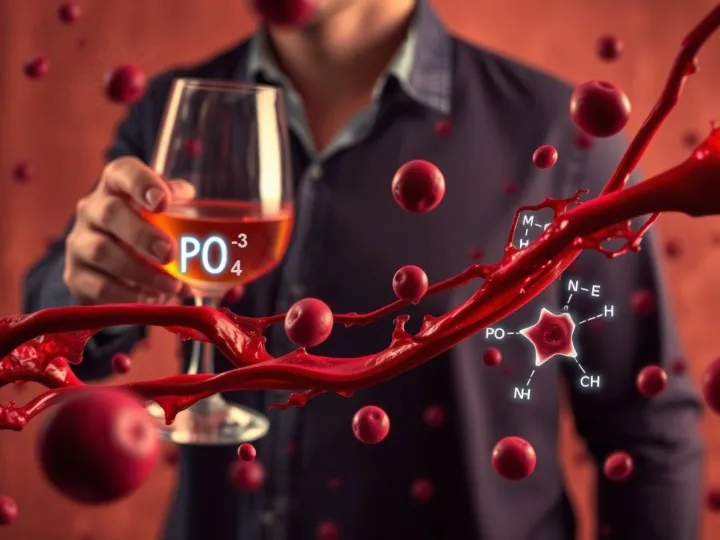
A study in Alcohol and Alcoholism (Open Access) identifies a surprising biochemical link between phosphate levels in the blood and subjective alcohol sensitivity. Researchers led by Jorgen G. Bramness found that individuals with higher serum phosphate (se-P) reported needing more alcohol to feel intoxicated. The correlation appeared consistently in healthy volunteers and blood donors, but not in patients with alcohol use disorder (AUD). The findings suggest phosphate may influence presystemic alcohol metabolism - how alcohol is processed before reaching the bloodstream.
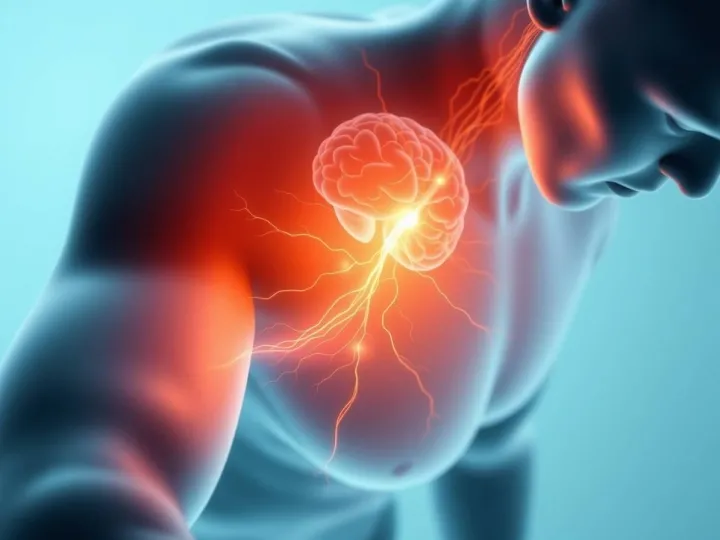
Researchers have created the first comprehensive network-based map of chronic pain in the human brain, showing how multiple large-scale systems - especially the Default Mode, Central Executive, and Salience networks - interact abnormally to sustain pain long after injury. The study, published in Brain Communications, synthesizes 61 fMRI datasets involving more than 2,000 patients to reveal the multi-network "dynome" of chronic pain - a dynamic brain landscape where sensation, emotion, and self-processing converge.
A new study in Schizophrenia Bulletin reveals that clozapine blood concentrations - critical for treating resistant schizophrenia - decline significantly in women between the ages of 40 and 60, while remaining largely stable in men. The findings link these changes to hormonal shifts during menopause, suggesting that estrogen loss may reduce the drug's efficacy and heighten relapse risk in older women.
Some people stay sharp, balanced, and graceful under pressure - even when the brain shows signs of aging or disease. What protects them? A new study in Brain Communications offers an answer. Neuroscientists from Tel Aviv and Harvard have developed the first multi-modal stress test to measure the brain's motor-cognitive reserve - the inner capacity that lets us adapt, recover, and perform when life gets demanding. Their findings reveal that resilience can now be measured - not just imagined.
Long considered just an emergency energy reserve, brain glycogen is now emerging as a silent regulator of cognition. New research published in Brain (Trentini et al., 2025) reveals that glycogen doesn't simply feed neurons - it also separates two vital systems: neurotransmission and protein glycosylation. By providing glucosamine, brain glycogen prevents the depletion of glutamine - an amino acid crucial for recycling glutamate and GABA, the brain's main excitatory and inhibitory transmitters. This hidden balancing act may explain why disorders affecting glycogen metabolism often trigger seizures and cognitive decline: when energy storage and molecular design overlap, the brain's delicate chemistry begins to short-circuit.
We've been told the brain is built to fear - that negative news and bad memories burn deeper than good ones. But new research shows a more human truth: when we see people, the mind chooses connection before threat. A study from the University of Göttingen found that images with social interaction - even happy ones - activate the brain faster than fearful scenes. The discovery challenges the long-standing "negativity bias," suggesting our first instinct isn't avoidance, but recognition. Awareness begins with relationship.
When the body pushes its limits, the brain listens. A 12-week study from Umeå University and the Karolinska Institute found that older adults who performed supramaximal high-intensity training showed measurable gains in both leg strength and prefrontal-cortex activation - the part of the brain that governs working memory and focus. The result: faster recall, stronger mental control, and a glimpse into how muscle and mind synchronize through effort.
Not all aging is decline - some of it is reorganization. A new study from Japan's Brain Bank for Aging Research reveals how tiny, timeworn structures in the brain can influence memory, movement, and awareness. These changes don't simply erase; they rewrite - showing that the brain's aging process is a delicate balance between preservation, adaptation, and renewal.