Poetry is often imagined as an escape from the harshness of reality. Yet in her essay A Meditation on Poetics, scholar Shiera S. el-Malik argues that poetics is not retreat but a form of resistance - an intervention into how we imagine the world and how we might reimagine it differently. By tracing connections between literary creativity and political life, el-Malik shows how poetics can help us think through crises, disrupt common sense narratives, and open possibilities for futures beyond precarity.
Baldwin's Poetics of Witness
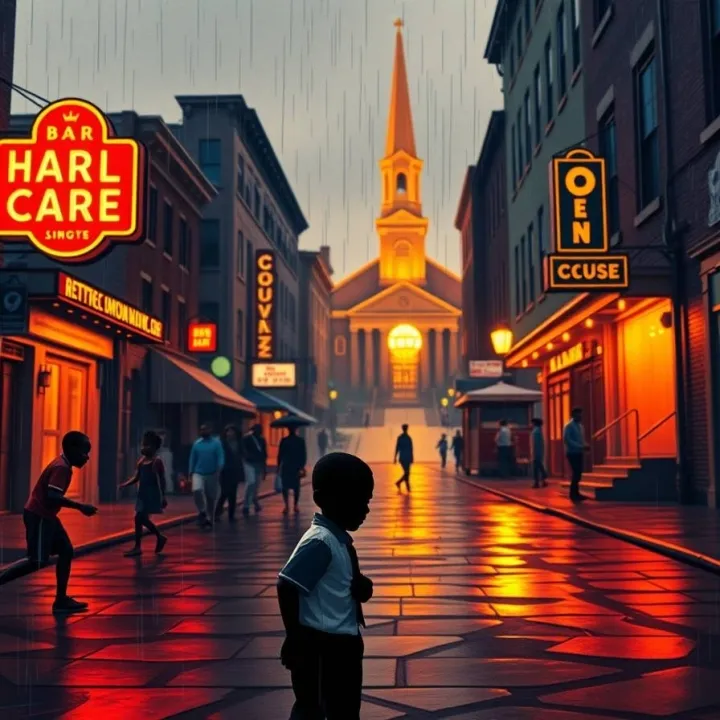
The essay begins with James Baldwin's account of the Atlanta child murders in the late 1970s, a tragedy that left 28 Black children and young men dead. Baldwin observed not only what was said in court and media coverage, but also what was left unsaid. He challenged the official story that cast Wayne Williams as a mass murderer, pointing out the gaps in evidence and the ways fear pushed the city toward closure without truly accounting for its losses.
For Baldwin, writing became a way of listening to silences, of uncovering what dominant political language could not express. El-Malik frames this as a poetic practice: Baldwin was not simply documenting events but disrupting how they were narrated, searching for meaning where none was officially allowed. Poetics, in this sense, is the refusal to accept closure when lives and truths remain unacknowledged.
Senghor and the Visionary Role of the Poet
From Baldwin, el-Malik turns to Léopold Sédar Senghor, the Senegalese poet and statesman who described poets as visionaries capable of foretelling and shaping the future. Senghor argued that while ordinary life often carries people along, poets are able to divine the sense of events and translate them into visions of what might come next.
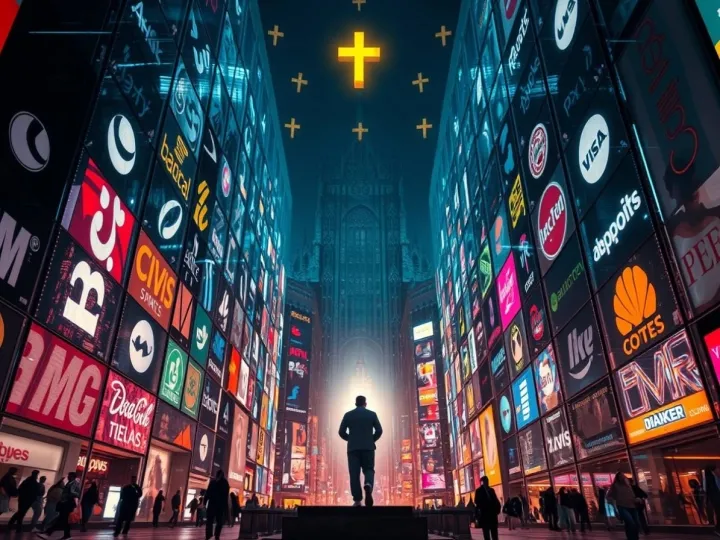
In his 1964 speech "The Mission of the Poet," Senghor suggested that poets are not ornamental to politics but essential to it. They create futures by imagining alternatives and giving form to worlds that do not yet exist. For el-Malik, Senghor's claim highlights how poetics and politics are inseparable: without imagination, governance risks becoming empty administration, detached from the lived experiences of people.
Amateur Diplomacies
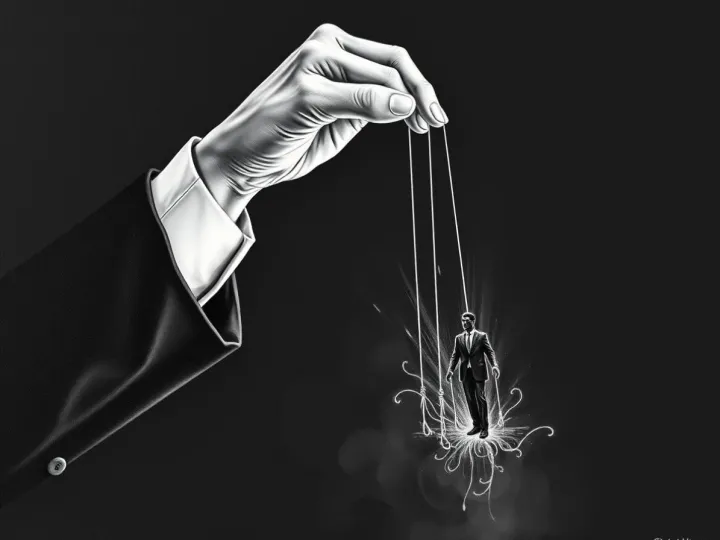
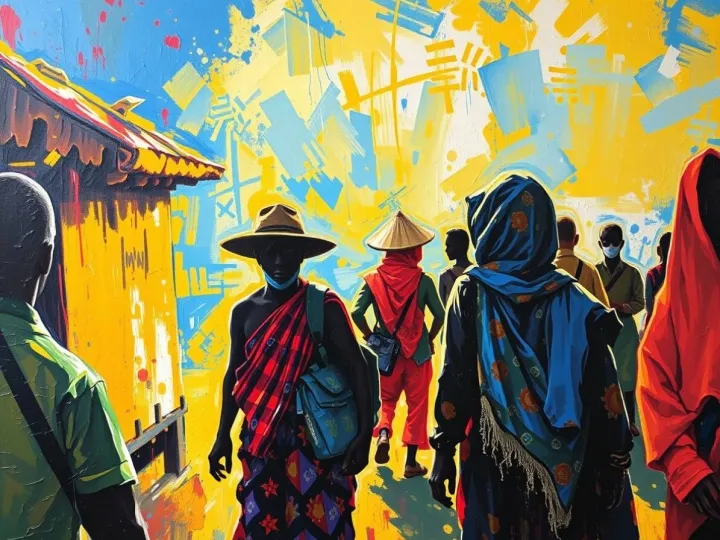
The third strand of el-Malik's meditation explores the idea of "amateur diplomacies" - ordinary acts of connection, translation, and care that resist the rigid closures of official politics. Unlike professional diplomacy, which often reinforces state power and exclusion, amateur diplomacies arise in everyday interactions. They are relational gestures - small exchanges, stories, or acts of solidarity - that interrupt dominant narratives and sustain alternative ways of being together.
Here, poetics becomes a strategy for recognizing and amplifying these gestures. By valuing creative and relational forms of knowledge, poetics helps to reanimate what official categories suppress: subjugated histories, marginalized voices, and fragile but vital ties between people.
Poetics Against Precarity
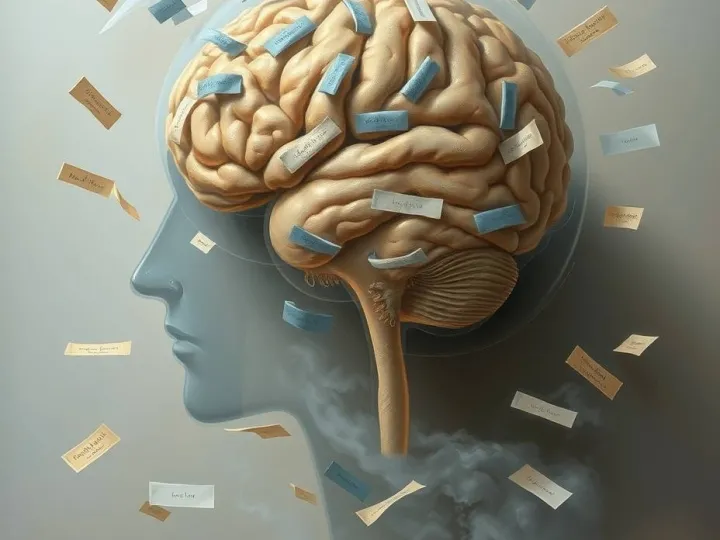
At the heart of the essay lies the question of precarity - life lived at the pleasure of others, vulnerable to collapse, and dependent on unequal power relations. For el-Malik, poetics offers a way to face precarity without reducing it to a mere category or statistic. It invites us to see vulnerability as relational, as part of a shared human condition. In this view, poetics does not soothe or distract from the anguish of modern crises. Instead, it magnifies that anguish and makes it thinkable.
Drawing on writers such as Susan Sontag, Toni Morrison, and Édouard Glissant, el-Malik emphasizes that art and poetics are not luxuries but obligations. They reveal entanglements that political common sense tries to hide, and they allow us to perceive what otherwise remains unintelligible.
Reflections & Insights
Symbolic Language
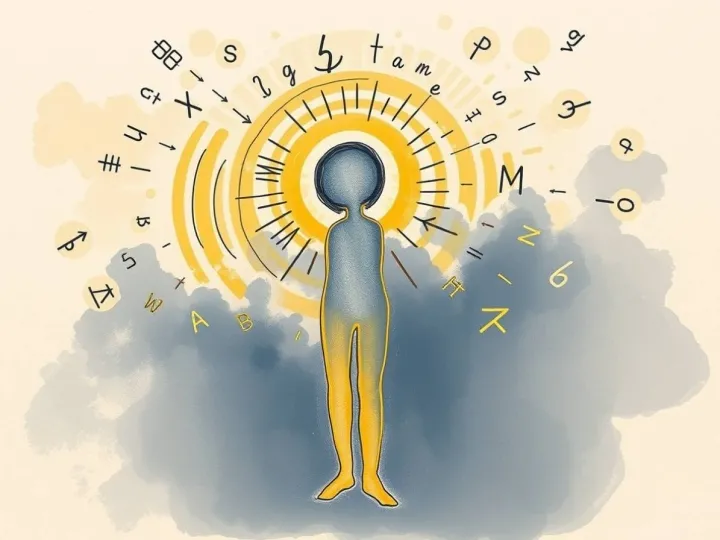
Poetics moves through symbols that destabilize fixed meanings. Baldwin's reading of the Atlanta murders turned absence itself into a symbol - silences became evidence, gaps became a form of testimony. In this way, symbolic language does not simply decorate reality; it reveals fractures and insists that truth often lies in what is not said.
Rhythm
Poetics introduces rhythm where politics seeks closure. Senghor's insistence that poets foretell the future is a claim about cadence - the pulse of imagination that runs ahead of what is already structured. Rhythm carries the possibility of alternative timing, alternative futures, reminding us that political life need not follow the metronome of power.
Relational Imaginaries
Amateur diplomacies, as el-Malik describes, are not treaties but gestures, often fleeting. Their strength lies in their improvisational quality, in rhythms of encounter that resist formula. They show that what binds us together may be fragile, but it is also deeply human - songs hummed between strangers rather than contracts signed between states.
Beyond Precarity
To speak poetically in times of crisis is not to escape but to enter the rhythm of vulnerability. Symbolic language and poetic cadence can turn precarity into relation - transforming "being at risk" into "being in connection." In this sense, poetics is not just commentary but a method of survival and a practice of futurity.
Why It Matters
In times of violence, polarization, and uncertainty, poetics is often dismissed as irrelevant to "real" politics. El-Malik's essay insists on the opposite: that poetics is political precisely because it reopens what power seeks to close. It teaches us to dwell in uncertainty, to sense what has been obscured, and to imagine futures that exceed the logics of domination.
Her meditation is not a call for easy optimism, but an invitation to practice what Toni Morrison once called "visionary architecture." It is a reminder that words, stories, and art do not stand outside politics - they shape the very conditions of how we live and how we might live otherwise.