In the 21st century, faith has changed its form. Once reserved for gods, prophets, or sacred texts, it now finds new altars - in brands. According to new research from the Journal of Consumer Research, people no longer simply buy products; they enter into spiritual relationships with them. From Apple to Patagonia, from Tesla to Trader Joe's, the modern marketplace has become a theater of belief, and the act of consumption increasingly resembles a ritual of meaning-making.
The study, titled "Brand Faith: How Spiritual Relationships Develop Between Consumers and Brands," explores how people build and maintain spiritual-like connections to brands. Conducted by Kyungin Ryu, Elizabeth G. Miller, and D. Matthew Godfrey, it presents an interpretive biographic analysis of consumers' lived experiences, uncovering how ordinary market interactions evolve into sacred bonds.
The authors identify five phases of "brand faith development" - intuition, association, reflection, affirmation, and universalization - a progression that mirrors religious conversion and devotion. Consumers move from initial attraction ("this feels right") to association ("this brand is part of me"), then to reflection and affirmation ("this brand aligns with my values"), culminating in universalization - where the brand itself becomes a vessel for existential meaning.
This trajectory transforms the marketplace into what the authors call a "spiritual ecology," where secular brands substitute for traditional sources of transcendence.
From Transaction to Transcendence
At the heart of this phenomenon lies a cognitive paradox: the brain's ancient mechanism for belief hasn't evolved as fast as our culture has. Humans are meaning-seeking creatures - and in the absence of communal religion, many turn to commerce to fulfill the same needs for belonging, ritual, and purpose.
Every brand that inspires devotion carries, in some sense, a theology. Apple's minimalist temples of glass and light mirror the architecture of sacred space. Nike's "Just Do It" becomes a moral imperative. Luxury brands create initiation hierarchies and symbols of belonging. Even ethical brands like Patagonia evoke pilgrimages toward ecological salvation.
This process, Ryu and her colleagues note, begins in the "intuition" phase - an instinctive recognition that a product or experience carries a certain resonance. From there, consumers weave narratives of meaning, often aligning their self-concept with a brand's story. Over time, repetition and reflection transform preference into conviction.
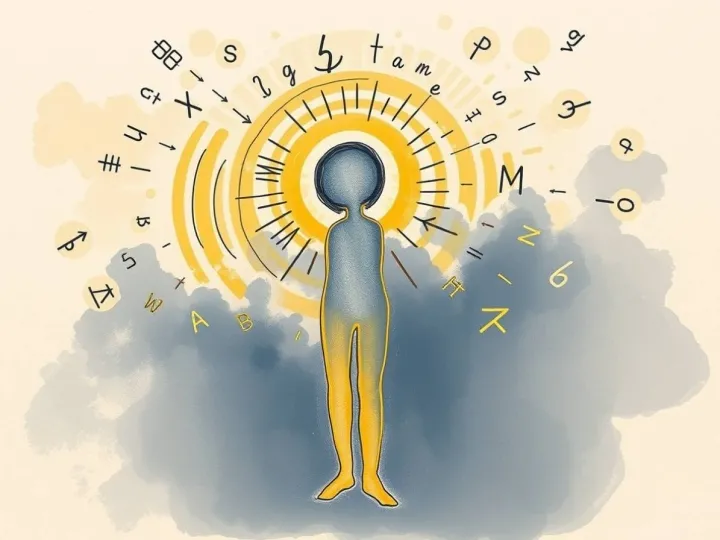
Faith, in this sense, isn't blind - it's relational. The consumer isn't worshiping an object but engaging in a dialogue with its symbolic field. The brand becomes a mirror for self-definition, a partner in existential coherence.
The Cognitive Architecture of Brand Faith
From a cognitive perspective, the development of brand faith mirrors how neural networks consolidate belief. Each purchase, interaction, or social validation reinforces the synaptic association between brand and identity. This is more than habit - it's pattern stabilization, the same mechanism that gives religious or ideological faith its staying power.
In cognitive-field terms, belief operates like a feedback loop:
- Stimulus (brand experience) triggers affective recognition.
- Association links the experience to self-image or purpose.
- Reflection validates the connection through reasoning or community.
- Commitment strengthens emotional and behavioral loyalty.
- Transcendence integrates the brand into worldview and daily ritual.
When this cycle stabilizes, consumers no longer see a product - they perceive a field of meaning, an identity anchor that feels as real as any faith.
What's fascinating is that this process often unfolds unconsciously. The researchers' netnographic data reveal that consumers describe these relationships in deeply emotional and moral terms - words like trust, betrayal, devotion, and redemption appear as frequently in brand narratives as in spiritual testimonies.
The New Spiritual Economy
This transformation has vast implications. In the modern economy, brands no longer sell products - they sell existential scaffolding. They provide language, symbols, and rituals through which people orient their lives. For companies, understanding this dynamic means recognizing that consumer loyalty is not transactional - it's sacred.
For individuals, however, the risk is subtle. When faith migrates from inner meaning to external symbols, the self can become distributed - outsourced to the marketplace. Emotional dependence on brands to define identity mirrors spiritual displacement: the loss of inner coherence replaced by external validation.
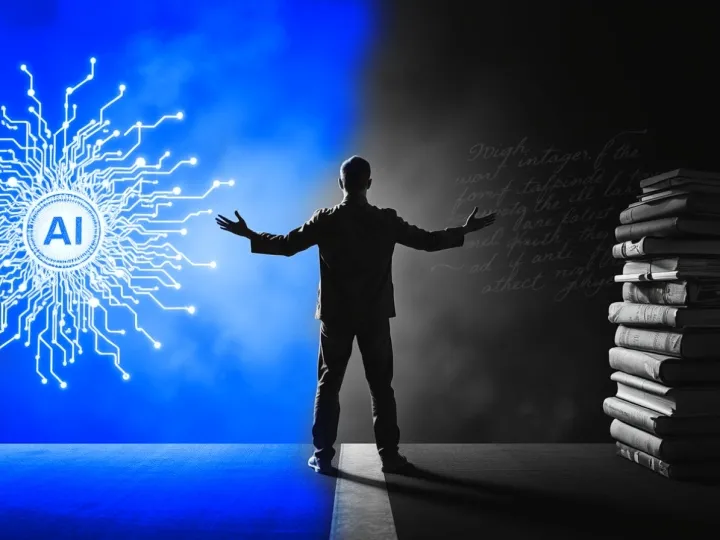
From a Seven Reflections perspective, this marks a new phase in cognitive evolution. Humanity is testing the boundaries of symbolic substitution - learning, perhaps painfully, that belief systems can be manufactured as efficiently as microchips. Yet within this experiment lies opportunity.
If brand faith can be cultivated, so can brand awareness - a conscious recognition of how belief operates in modern space. Understanding how we project sacredness onto brands allows us to reclaim that energy, redirecting faith back into human creativity, purpose, and collaboration.
Faith, Reframed
Ryu and colleagues conclude that brand faith is neither good nor bad - it is an adaptive expression of a timeless need. In a fragmented world, brands become "centers of spiritual meaning." The real question is not whether consumers should have faith in brands, but whether they can remain aware of how that faith forms.
In the end, every belief - religious, scientific, or commercial - follows the same architecture: intuition, association, reflection, affirmation, and universalization. The path from product to purpose is simply a mirror of the path from perception to consciousness.
As the line between commerce and cognition blurs, the invitation is clear: to see where our faith truly lives - and whether it belongs to a logo, or to the field of awareness that created it.