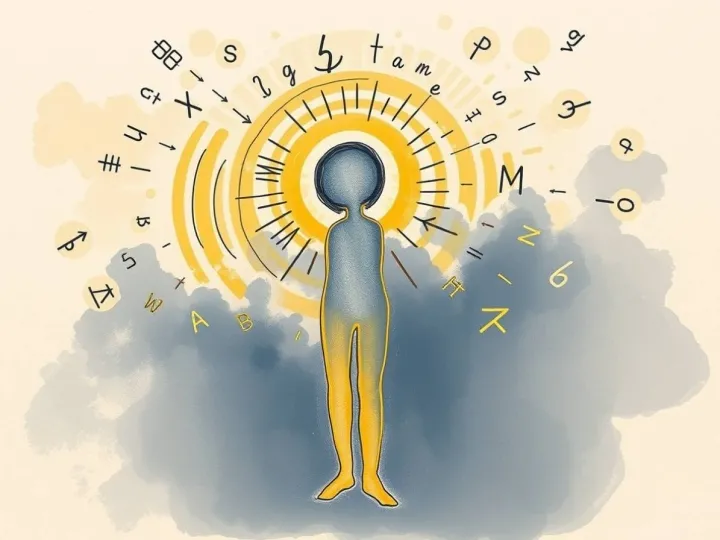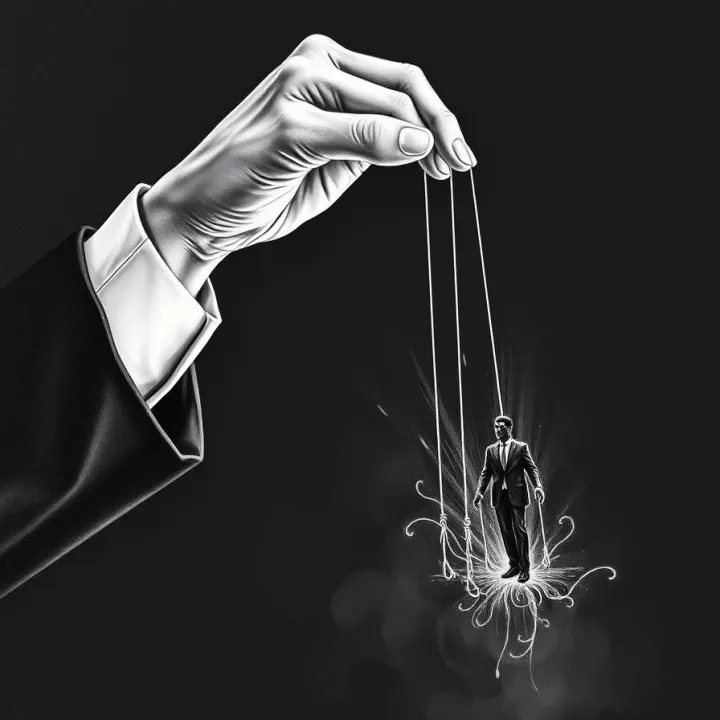
We usually think of power as something to resist. From politics to workplaces to personal relationships, "power over" another person often carries a negative charge - something to be limited or dismantled. But philosophers have long recognized that not all uses of power are harmful. Teachers shape their students, therapists guide their clients, and mentors stretch their protégés toward goals they might not reach on their own. These are all exercises of power.
The question is: how should we decide which kinds of power are worth valuing?
For decades, one influential framework has been Steven Wartenberg's transformative account of power. His idea is that some uses of power are empowering for the person on the receiving end because they expand that person's abilities or capacities. But Wartenberg placed an important limit: only those uses of power that aim at their own eventual obsolescence are justified. In other words, a teacher is only vindicated if the student eventually no longer needs the teacher.
In a new paper in Analysis, philosopher Katy Wells argues that this limit is misguided. Empowering uses of power, she suggests, do not always need to "self-transcend." In fact, many valuable power relations persist without ever dissolving - and we shouldn't dismiss them simply because they endure.
The Problem With Self-Transcendence
At first glance, Wartenberg's criterion seems intuitive. If power is truly about empowerment, then shouldn't the goal always be independence? A teacher who never lets go, or a therapist who makes themselves indispensable, risks creating dependence. That kind of power can look more like control than support.
But Wells points out that this neat division between legitimate and illegitimate empowerment doesn't hold up in practice. Many situations involve a continuing asymmetry of power that remains beneficial.
Think of a person with chronic illness who depends on regular guidance from medical professionals. The power dynamic here is not designed to vanish - it is structured into the very nature of the relationship. Or consider therapy for long-term trauma. Some clients may always find value in a sustained therapeutic relationship. The same goes for certain educational or spiritual contexts, where ongoing instruction and authority can continue to enrich someone's life.
If we insist that empowerment must always make itself obsolete, these forms of power get written off as illegitimate - even though they clearly play positive roles.
Rethinking Empowerment
Wells argues for a more flexible account. Power-over can be valuable not because it disappears, but because of how it functions in context. If the relationship genuinely expands the abilities, understanding, or well-being of the subordinate party, then it counts as empowering - even if it doesn't aim to end itself.
This shift opens up space to think differently about many ordinary power relations. A choir director continues to shape singers week after week, not because they want to make themselves unnecessary, but because their role is to keep drawing out potential. A mentor may remain a lifelong source of challenge and guidance. A therapist may be a permanent figure of support.
These ongoing forms of empowerment do not signal failure. Instead, they may embody what power at its best can be: a structured, sustained relation that helps people flourish.
From Theory to Practice
Rejecting the self-transcendence criterion has implications far beyond abstract philosophy. In education, it suggests that valuing ongoing teaching relationships is not a weakness but a feature of empowerment. In healthcare, it acknowledges that dependence on expert authority does not always undermine autonomy - it can protect and enable it.
Politically, this view complicates easy narratives about liberation. Not every legitimate use of power is about eventual emancipation. Sometimes empowerment lies in ongoing interdependence rather than in total independence.
In a culture that often glorifies self-sufficiency, Wells' analysis highlights the ways in which valuable forms of authority persist across time. Rather than treating dependence as always suspect, we can see it as part of the fabric of human life - where growth, learning, and healing often take place in structured relationships of power.
The Takeaway
Although Wells is responding to a debate in political philosophy, the question of power is not confined to parliaments or institutions. Power flows through classrooms, clinics, and families - anywhere one person's choices shape another's path. Traditional theory often treats "power-over" as suspect, acceptable only if it dissolves into independence. At Seven Reflections, we see it differently: these dynamics are not only about domination, but about rhythm. Giving and receiving, guiding and being guided, unfold like breath - continuous, reciprocal, sustaining. True empowerment does not always mean severing ties or reaching pure autonomy. Sometimes it means allowing support to remain, shaping growth again and again. Whether in politics or personal life, the value of power lies not in its disappearance, but in whether it nurtures expansion, possibility, and dignity.