Stay current with discoveries in sleep and dreaming - from circadian research and lucid dreaming to the role of rest in health, wellbeing, and performance.
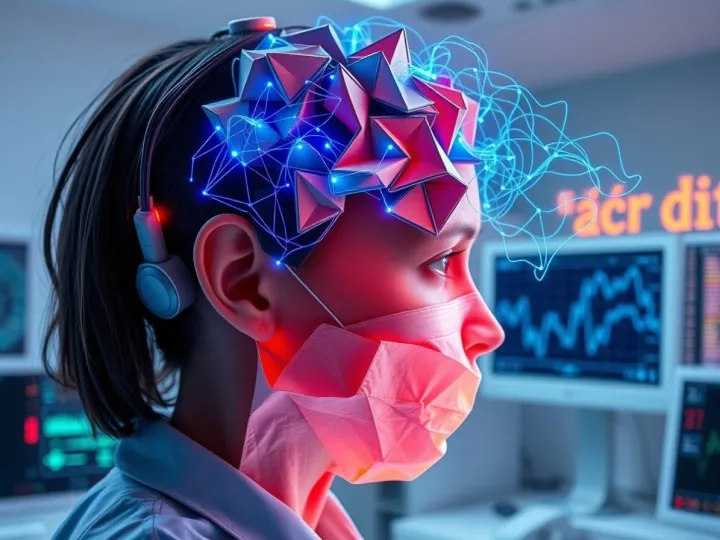
A new randomized controlled trial published in SLEEP Advances suggests that alpha rhythm-guided repetitive transcranial magnetic stimulation (alpha-rTMS) may help reduce sleep difficulties in children with autism spectrum disorder. Twenty children aged 6 - 12 received individualized stimulation frequencies matched to their EEG alpha rhythms, resulting in improvements on caregiver-reported sleep measures and several objective indicators. While preliminary and limited by sample size, the findings offer early evidence that guided neuromodulation may support sleep in a population with few effective options.
Why does some sleep leave us refreshed while other nights feel strangely empty, even when we sleep for the same number of hours? A growing body of research points to a surprising candidate: the brain's glymphatic system, a clearance pathway that flushes out metabolic waste during sleep. New evidence suggests that variations in this system - not just brainwaves or sleep stages - may shape how restored we feel. As scientists explore this hidden physiological rhythm, they are uncovering clues that could redefine how we understand "good sleep."
A new open-access study in Brain Communications charts human sleep with unprecedented precision, using ultra-long subscalp EEG recordings collected continuously over weeks. Despite night-to-night variability, the researchers discovered stable oscillatory patterns shared across individuals that allow NREM - REM transitions to be predicted minutes in advance. By analyzing frequency-band dynamics across more than 30 nights per person, the study offers a deeper view of sleep architecture and its potential use in future clinical interventions.
A study in SLEEP Advances reveals that specific patterns of alpha brain waves detected during rest may serve as early indicators of cognitive decline in patients with idiopathic REM sleep behavior disorder (iRBD). Researchers from Seoul National University and international collaborators found that higher, spatially clustered alpha activity correlated with lower cognitive scores, even after adjusting for age, sex, mood, and medication. The findings highlight the potential of resting-state EEG as a noninvasive biomarker for neurodegenerative risk.
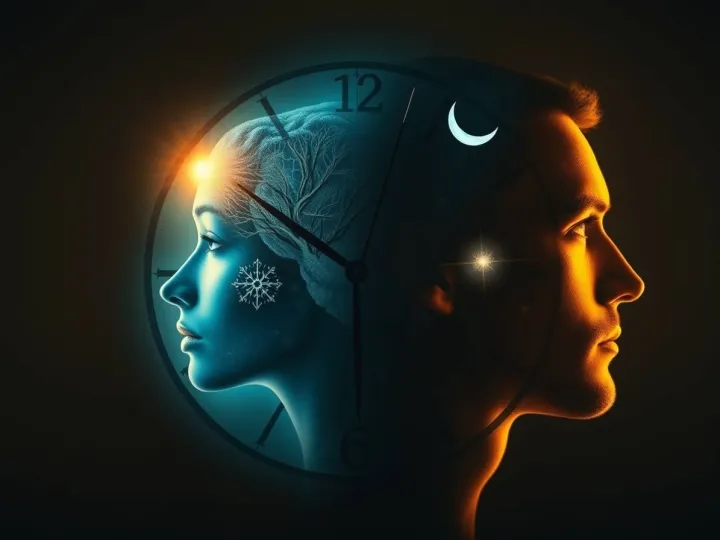
A new open-access study in the Journal of the Endocrine Society reveals that the body's response to light - how it suppresses melatonin and regulates alertness - depends not just on brightness but on biology and season. Women showed greater melatonin suppression but less alertness in response to moderate light than men, while both sexes were more light-sensitive in winter than in summer. The findings suggest that personalized lighting strategies could improve sleep, mood, and circadian health year-round.
A new open-access study in Sleep reveals that chronic sleep restriction - just five hours per night for a week - makes the human brain more reactive to rewards and less stable in decision making. Researchers from Monash University and the University of Sydney found that after limited sleep, participants updated their choices faster in response to rewards but lost consistency in strategy, suggesting heightened impulsivity. The results show how even mild, sustained sleep loss shifts our cognitive balance between exploration, control, and reward-seeking behavior.
Researchers from the University of Rochester Medical Center have found that modifying Cognitive Behavioral Therapy for Insomnia (CBTi) to directly address "fear of sleep" can enhance recovery from posttraumatic stress disorder (PTSD). Published in SLEEP Advances study shows that reducing fear around sleep not only improves insomnia but also amplifies the effects of trauma therapy. The findings highlight sleep as both a symptom and a pathway of healing for survivors of trauma.
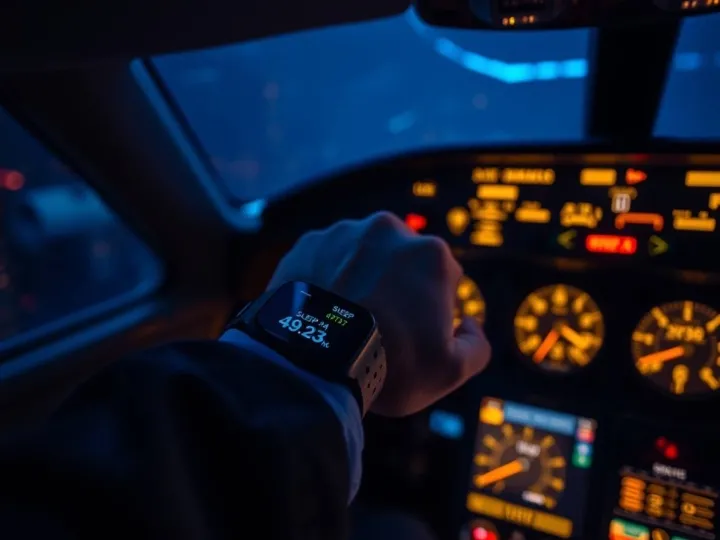
A new review in SLEEP Advances explores how consumer sleep technologies - from smart rings to wrist trackers - could reshape aviation safety by helping pilots and researchers monitor fatigue during long-haul flights. Yet the study also exposes a deeper question: can we trust personal devices to measure rest in one of the most complex human systems ever designed - flight itself?
Your brain remembers every lost hour. A groundbreaking 21-day study from Stockholm University and the Karolinska Institute reveals that even subtle, everyday fluctuations in how long or how well you sleep can slow cognitive performance the next day. The effect was found across all ages - proving that it's not just sleep quantity that matters, but the stability of your inner rhythm. This research highlights a deeper truth about the human system: when coherence fades, clarity follows.