Most of us know the foggy, sluggish feeling that comes after a night without enough sleep. Reaction times slow, attention slips, and even simple tasks feel harder than they should. But what actually happens inside the brain to produce this cognitive collapse? New neuroimaging research in SLEEP Advances reveals that the answer may lie in the thalamus - a deep-brain hub that helps regulate arousal and keep the mind stable.
Scientists from the University of Arizona tracked volunteers across 37 hours of enforced wakefulness, scanning their brains every six hours to watch how networks shifted in real time. What they found was striking: as hours without sleep accumulated, the thalamus gradually lost its ability to coordinate with key cortical regions, from sensorimotor areas to the hippocampus. This breakdown in "thalamocortical connectivity" mirrored participants' declining performance on reaction-time tests, suggesting a direct link between connectivity loss and lapses in alertness.
The Thalamus: A Gatekeeper of Wakefulness
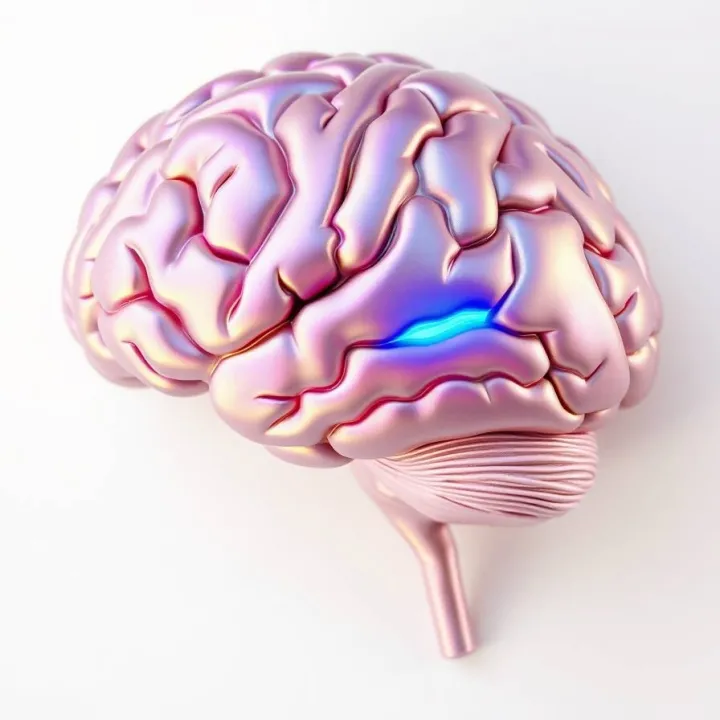
The thalamus is often called the brain's relay station, passing sensory signals up to the cortex and synchronizing communication between networks. When well-rested, it helps maintain a state of alert, tonic firing that supports attention. Under sleep deprivation, however, this study found that the thalamus loses self-regulation, slipping into burst-like rhythmic activity more typical of sleep states.
This instability may explain why people deprived of sleep often experience sudden "microsleeps" - brief episodes of unresponsiveness when the brain temporarily dips into sleep-like patterns even while the eyes remain open. The scans revealed that reductions in connectivity weren't random: they hit sensory and emotional regions first, then spread to frontal areas responsible for decision-making as fatigue deepened. By around 25 hours awake, connectivity between the thalamus and the cortex dropped sharply, correlating with slower reaction times and more frequent attentional lapses.
Connectivity, Not Just Fatigue
Past studies have shown that the thalamus can temporarily "hyperactivate" to compensate for lost sleep, boosting arousal when attention falters. But this new study shows that compensation has limits. Once connectivity with the cortex collapses, the thalamus can no longer effectively transmit its signals, leaving arousal unstable and fragile.
Dynamic causal modeling confirmed this shift: in the well-rested brain, the thalamus maintains bidirectional communication with regions like the frontal pole and angular gyrus. After sleep deprivation, those pathways weaken or invert, and the thalamus itself shows reduced self-inhibition - a loss of control that may make the system more prone to slipping into unstable states.
Not Just "Being Tired"
The findings underscore that sleep deprivation is not just "being tired." It represents a profound reorganization of brain networks, with the thalamus at the center of the collapse. This could explain why some people are more vulnerable than others: those with stronger or more resilient thalamic-cortical links may hold out longer before lapsing. It also highlights the thalamus as a potential target for interventions, whether through stimulation, pharmacology, or behavioral strategies to extend wakefulness in critical situations.
Importantly, the disruptions resemble patterns seen in the transition between wake and sleep, suggesting that sleep deprivation doesn't produce a stable "awake but tired" state. Instead, it creates unstable wakefulness, constantly at risk of tipping into transient sleep-like episodes. That instability has major implications for professions where sustained attention is vital - pilots, medical staff, military operators - and for everyday drivers on the road.
The Bigger Picture
In practical terms, the research reinforces what sleep scientists have long warned: no one is immune to the effects of sleep loss. Even if you think you can push through, the brain's connectivity has limits. You may still be moving and talking, but parts of your neural system are already disconnecting.
For society, this research adds urgency to the push for healthier sleep practices in schools, workplaces, and public safety. From later school start times for teenagers to stricter regulations on truck driver hours, the science is clear: sleep is not optional downtime - it is the maintenance cycle that keeps the brain's communication lines open and stable.
The Deeper Current
The thalamus is often described as a relay station, but in truth it is more like the gatekeeper of coherence. When sleep deprivation weakens thalamic control, the mind begins slipping into unstable half-states - neither fully awake nor truly asleep. At Seven Reflections, we read this as a deeper principle: awareness itself depends on structural hubs that balance flow. When those hubs lose self-regulation, consciousness fragments. This isn't only about staying alert; it's about how fragile the architecture of our inner field can be when the rhythms of rest are broken.