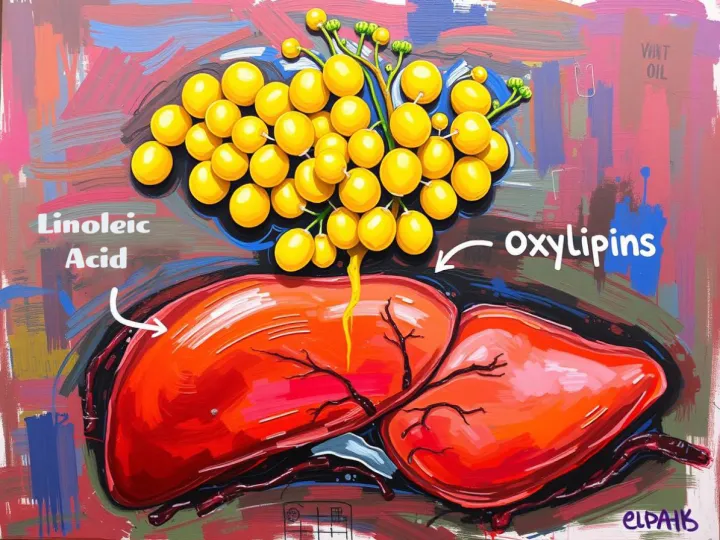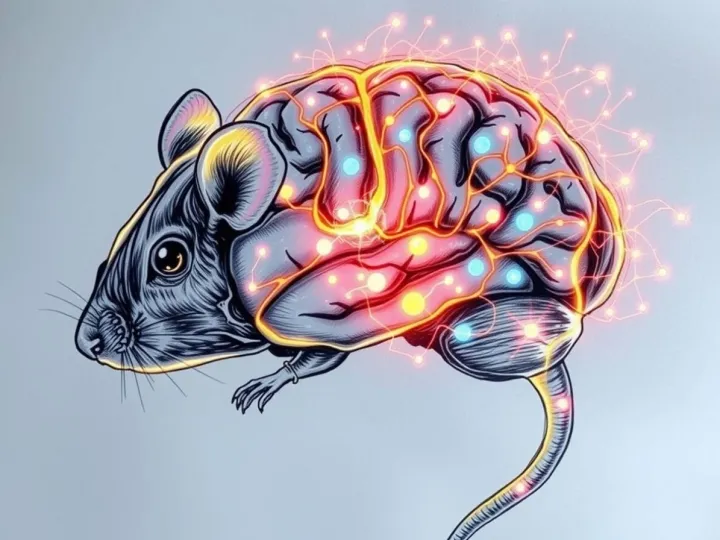
Alcohol consumption and sugar intake have long been known to share reinforcing properties, with both capable of activating reward pathways in the brain and contributing to liver disease. A new study in Nature Metabolism provides an extensive mechanistic explanation for this connection, identifying a metabolic link that drives both excessive alcohol intake and alcohol-associated liver disease (ALD). The work demonstrates that ethanol increases endogenous fructose production through activation of the polyol pathway, and that this fructose is metabolized by ketohexokinase (KHK), an enzyme already known to influence dietary fructose preference and fatty liver progression. By blocking KHK, either genetically or pharmacologically, researchers were able to reduce alcohol intake and prevent the development of ALD in mice.
The core discovery centers on ethanol's ability to stimulate the enzyme aldose reductase, which converts glucose into sorbitol and then into fructose. This endogenous fructose is subsequently metabolized by the KHK-A and KHK-C isoforms. In mice exposed to alcohol, both KHK isoforms were upregulated, and KHK enzymatic activity increased in the liver and intestine. The resulting fructose metabolism mirrors the metabolic responses observed when animals consume dietary fructose, such as increased lipogenesis, oxidative stress, and inflammatory signaling. These effects, long associated with metabolic dysfunction-associated steatotic liver disease (MASLD), appear to contribute similarly to ALD.
Behavioral experiments revealed that mice lacking KHK-A/C showed a profound reduction in alcohol preference. Across two-bottle choice tests, conditioned place preference assays, and operant self-administration tasks, knockout animals consistently drank less ethanol than their wild-type counterparts. The deficit was observed in both male and female mice and persisted across weeks and escalating alcohol concentrations. These animals also displayed reduced expression of ?FosB and its target genes in the nucleus accumbens, indicating a weakened reinforcement response to alcohol. Interestingly, deletion of only the KHK-A isoform had little effect, implicating KHK-C as the primary driver of ethanol-related behaviors.
The researchers then extended these findings to the enzyme aldose reductase (AR), which initiates endogenous fructose production. AR knockout mice consumed significantly less alcohol than controls, reinforcing the idea that fructose production - not only fructose metabolism - contributes to alcohol preference. Ethanol's hyperosmolar properties were shown to trigger AR expression: higher ethanol concentrations raised portal vein osmolality and induced hepatic AR, leading to increased sorbitol and fructose. This pathway provides a direct biochemical explanation for how alcohol consumption initiates and sustains its own reinforcement loop through fructose generation.
Beyond behavioral effects, the study offers strong evidence that fructose metabolism directly contributes to ALD progression. In long-term experiments spanning up to 14 months, wild-type mice chronically exposed to ethanol developed hallmark features of liver disease, including steatosis, inflammation, elevated triglycerides, increased lipogenic enzyme expression, and fibrosis. In contrast, mice with liver-specific deletion of KHK-A/C were largely protected. Their livers exhibited minimal fat accumulation, reduced inflammatory markers, lower transaminase levels, and significantly diminished fibrosis. These protective effects occurred despite equal total ethanol intake, achieved using pair-feeding protocols that matched alcohol dose across genotypes.
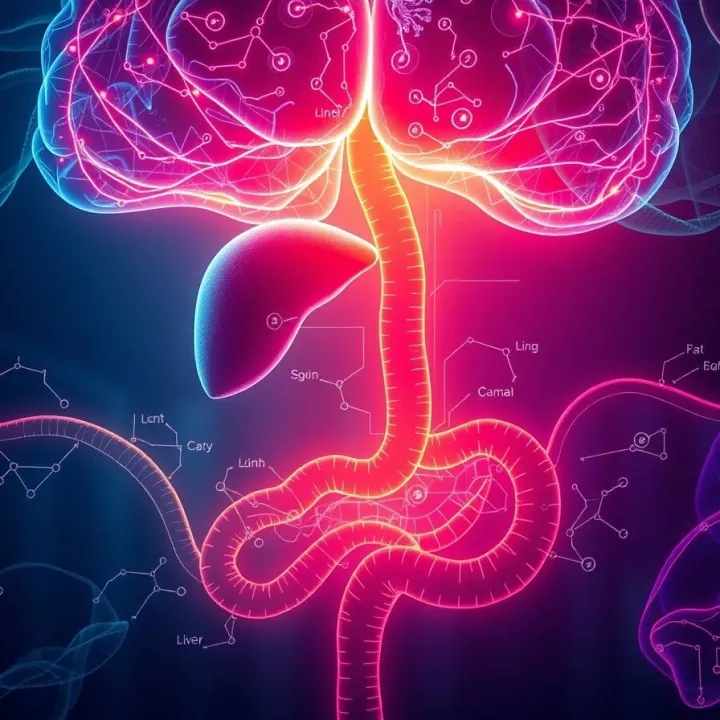
The tissue-specific contributions of fructose metabolism were further explored through intestine-specific KHK-A/C knockout mice. These animals also showed reduced alcohol preference, and mechanistic studies revealed that ethanol suppressed GLP-1 release from intestinal L-cells through a KHK-dependent mechanism. Inhibition of KHK restored GLP-1 secretion, providing a potential gut - brain hormonal explanation for reduced alcohol intake. Since GLP-1 is known to suppress alcohol consumption in both rodents and humans, impaired GLP-1 signaling appears to be part of the reinforcing effect of ethanol-induced fructose metabolism.
Pharmacological experiments reinforced the genetic findings. The KHK inhibitor CRP427 reduced alcohol intake in high-drinking cHAP mice and in rats using operant self-administration models. In both species, voluntary ethanol consumption fell substantially during treatment, demonstrating that KHK targeting could be a viable therapeutic strategy. Importantly, the inhibitor reduced fructose metabolism without fully eliminating it, and its effects were observed even in animals with established drinking preference, highlighting its potential for treating existing alcohol use disorder.
The study also examined ethanol metabolism itself. Liver-specific KHK-A/C knockout mice displayed altered aldehyde dehydrogenase expression and reduced capacity to detoxify acetaldehyde during heavy alcohol exposure. Although elevated acetaldehyde can decrease alcohol intake through aversive effects, the researchers found that in these knockout mice the diminished central reward response to ethanol - evidenced by lower ?FosB signaling - was the more prominent factor reducing consumption. The work suggests that fructose metabolism contributes both to reinforcement via reward pathways and to the metabolic adaptations that normally protect the body during chronic alcohol exposure.
Collectively, the findings define a unified metabolic mechanism: ethanol increases endogenous fructose production, fructose metabolism activates reward circuits and promotes further alcohol intake, and the same pathway drives inflammation, lipid accumulation, and fibrosis in the liver. This provides a biological explanation for the long-observed association between sugar preference and alcohol preference, and it highlights fructose metabolism as a shared pathogenic pathway for alcohol use disorder and ALD.
Viewed through Seven Reflections' Dimensional Systems Architecture (DSA), the study illustrates how a single metabolic pathway can act as a system-level driver linking behavior, reward circuits, and organ pathology. In DSA terms, ethanol triggers a structural shift in the metabolic field - through increased osmolality and polyol pathway activation - that propagates through multiple cognitive and physiological layers. The same field perturbation amplifies reward signaling while destabilizing hepatic homeostasis, demonstrating how a unified process can generate both behavioral reinforcement and systemic injury. From this perspective, targeting KHK interrupts a maladaptive field loop, restoring stability at both the behavioral and metabolic levels.