Cognitive Science bridges the gap between the brain and the mind - tracing how networks of neurons shape perception, attention, memory, and imagination. This section explores the science of thinking and awareness, from the role of the default mode network in creativity to the mechanisms of focus, flow, and altered states. By bringing together neuroscience, psychology, and philosophy, we highlight the discoveries that reveal not only how the mind works, but how it can be expanded.
Meditation has long been portrayed as a safe and universal remedy for stress, focus, and emotional healing. Yet new evidence paints a more complex picture. In the largest U.S. survey of its kind, researchers found that more than half of all meditators experience adverse effects, some severe enough to impair daily functioning. These findings echo centuries-old warnings from contemplative traditions that transformation of the mind is not without turbulence. The study opens an important conversation about safety, guidance, and the structure of consciousness itself.
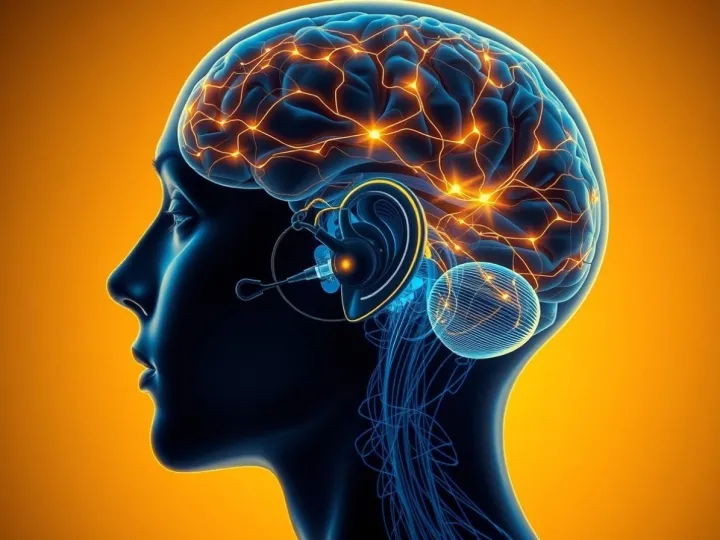
A new analysis from the Framingham Heart Study, published in JAMA Neurology, shows that even mild hearing loss in midlife may mark the beginning of structural brain aging. Researchers found smaller brain volumes, more white-matter damage, and faster cognitive decline among participants with hearing deficits - and a 71 percent higher risk of dementia, especially in those carrying the apolipoprotein E e4 gene variant. Encouragingly, hearing-aid use reduced the risk. The results strengthen the view that sensory health is inseparable from brain health and may offer a pathway for dementia prevention.
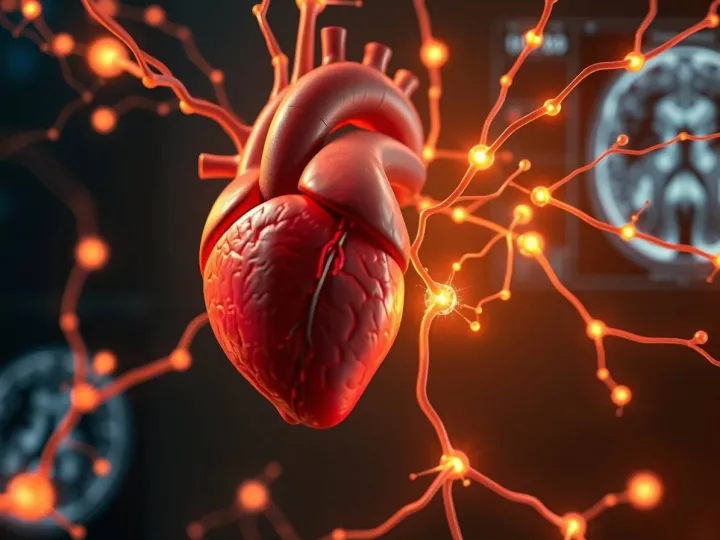
A 25-year follow-up of nearly 6,000 adults in the European Heart Journal reveals that even small, "silent" signs of heart injury in midlife - detected by high-sensitivity cardiac troponin I - can forecast dementia decades later. The study, part of the long-running Whitehall II project, found that participants with elevated troponin experienced faster cognitive decline, smaller brain volumes, and higher dementia risk. These findings add to growing evidence that the boundary between cardiovascular and neurodegenerative disease is fluid, reshaping how medicine defines aging, memory, and the heart - brain connection.
A $3 million Breakthrough Prize has honored scientists whose work transformed how we understand multiple sclerosis (MS): the disease once blamed on "mystery autoimmunity" now appears tied to a common virus - and to ancient genetic legacies. Meanwhile, new research in Brain Communications uncovers how immune cells in the cerebrospinal fluid interact dynamically with neuronal damage markers during MS. Together these discoveries reveal a system that is neither purely viral nor immune nor genetic - but a living dialogue between ancestry, infection, and the brain's own defense fields.
In a striking new study published in Social Cognitive and Affective Neuroscience, researchers found that people with Alzheimer's disease feel physically closer and emotionally warmer toward others - even when the actual distance remains unchanged. The phenomenon was linked to atrophy in brain regions associated with reward and emotional processing, including the right ventral striatum and orbitofrontal cortex. Far from merely diminishing social experience, Alzheimer's appears to reconfigure it - revealing how the loss of one system can amplify another, transforming the boundaries of human connection.
A new study in Military Medicine reveals that brief exposure to icy water can significantly impair postural stability - an effect that persists even after the body's temperature has returned to normal. Researchers found that participants who underwent a 10-minute immersion in near-freezing water showed pronounced instability, with only partial recovery after active rewarming. The findings highlight the lingering effects of cold stress on coordination and balance, raising questions about operational safety and recovery in extreme environments.
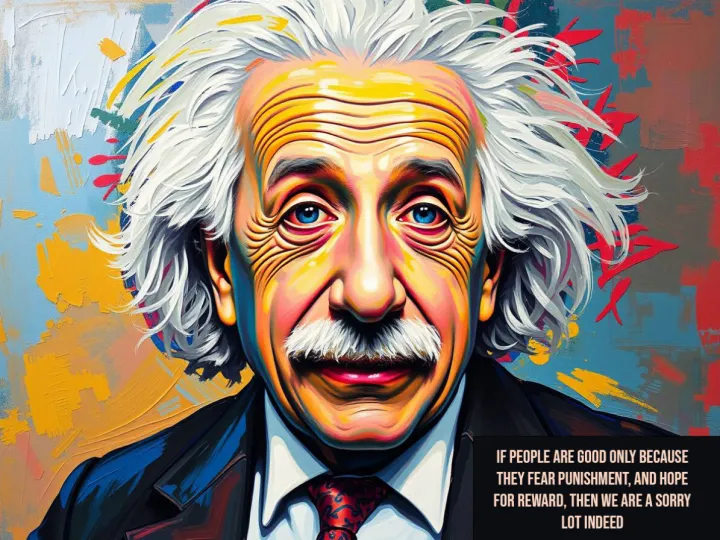
Everyday choices often pit temptation against caution. Should we take the risk or stay safe? A new study from Osnabrück University shows that this internal tug-of-war looks very different for each of us. Using EEG to measure mid-frontal theta waves - neural rhythms linked to cognitive control - researchers found no single "universal" pattern of decision conflict. Instead, the brain's response depends on how strongly each person values reward or fears punishment, revealing the deeply individual nature of self-control and motivation.
A new Cerebral Cortex study by Thomas Pace and colleagues investigates how the brain monitors and evaluates its own decisions - a process known as metacognition. By examining neural oscillations across sensory domains, the researchers found that self-evaluation accuracy relies on distinct brain rhythms rather than a single global mechanism. The study also revealed that aging alters these rhythms, with older adults showing compensatory activation patterns that preserve metacognitive performance. The results challenge the idea of a single "metacognitive center" and highlight distributed, dynamic regulation of self-awareness.
A new study published in Neuroscience of Consciousness (Open Access) proposes a computational step toward understanding how awareness arises from the brain's own processing. Researchers Ryota Kanai, Ryota Takatsuki, and Ippei Fujisawa introduced "meta-networks" that represent not just sensory data, but the very processes creating it. Their work reframes higher-order theories of consciousness by suggesting that meta-representations describe how information is transformed, rather than what it depicts - offering a measurable, process-oriented view of how systems, biological or artificial, might encode experience itself.