Aging brings many gifts, but sharper memory usually isn't one of them. For decades, researchers have been racing to uncover foods and compounds that could slow or even reverse the gradual decline in learning and memory that accompanies growing older. Now, a team of scientists from Qingdao Agricultural University in China points to a surprising candidate: betaine, a nutrient found in quinoa and boosted dramatically when the grain is fermented.
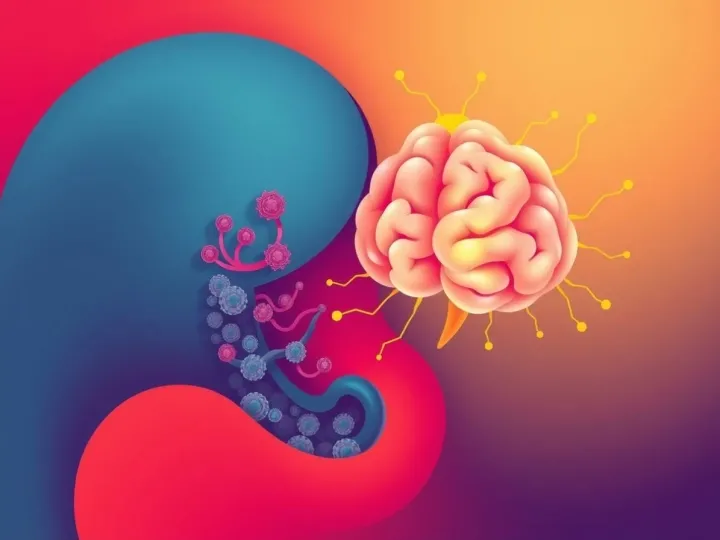
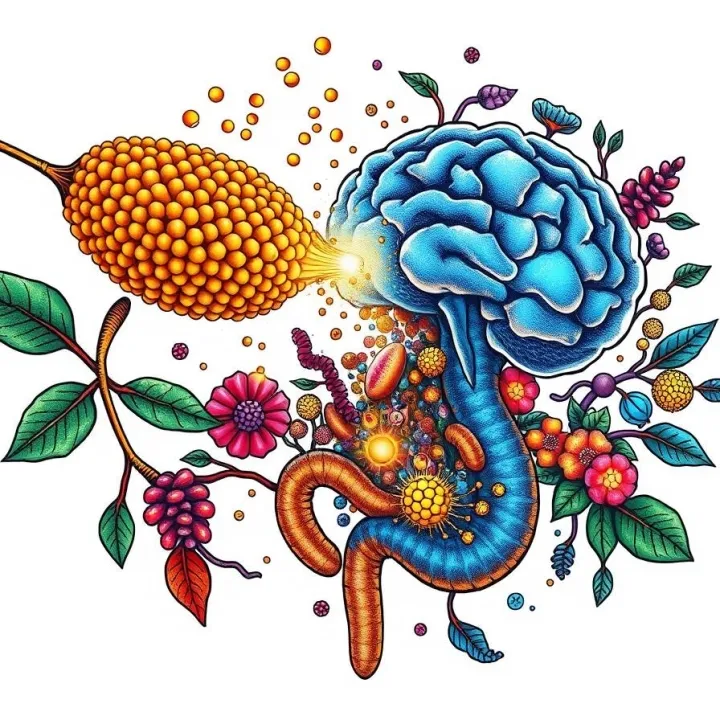
Their study, published in Food Quality and Safety, found that both pure betaine and betaine-fortified fermented quinoa improved memory and learning in aging mice. The work highlights how tweaking the gut microbiota - the vast ecosystem of bacteria in our intestines - can ripple all the way up to the brain, reinforcing the now widely accepted concept of the "gut-brain axis."
From the maze to the microbiome
To test betaine's potential, the researchers used a classic behavioral experiment: the Morris water maze. This test measures how quickly mice can learn and remember the location of a hidden platform in a pool of water. Aging mice normally take longer and get lost more often than their younger peers, but those fed with betaine or fermented quinoa performed significantly better. They found the platform faster, crossed its location more frequently, and spent more time swimming in the target area.
That improvement in behavior was matched by molecular changes. The treated mice showed higher levels of key neurotransmitters like serotonin, dopamine, and acetylcholine in the brain - chemicals essential for memory, mood, and focus. Their hippocampal neurons, the cells most critical for forming and recalling memories, were better preserved.
Gut bacteria as brain allies
The striking part of this study was not just that betaine helped, but how. Analysis of the animals' gut bacteria revealed dramatic shifts in the microbial landscape. Aging mice without treatment showed a familiar pattern: harmful bacterial families like Bacteroidaceae expanded, while beneficial groups like Ruminococcaceae and Lactobacillaceae dwindled. After betaine or fermented quinoa treatment, those beneficial families rebounded, while the harmful ones declined.
This reshaping of the microbiome also increased short-chain fatty acids (SCFAs), small molecules like acetate and butyrate that gut microbes release. SCFAs are known to cross into the bloodstream and influence the brain, where they can dampen inflammation, reduce oxidative stress, and even regulate the release of neurotransmitters. In this study, higher SCFA levels correlated strongly with better memory performance and healthier neurons.
Why fermentation matters
Quinoa is already considered a "superfood," rich in protein, fiber, and antioxidants. But when the team fermented it with Lacticaseibacillus paracasei, its betaine content rose by more than 40 percent. That fermented quinoa outperformed pure betaine in nearly every measure, suggesting that the process produces a cocktail of synergistic compounds - polyphenols, polysaccharides, peptides - that together deliver more robust neuroprotection.
Interestingly, mice given pure betaine sometimes developed loose stools, a known side effect of high-dose supplementation. The fermented quinoa group showed no such issues, making the food-based approach potentially safer and more sustainable for human use.
Fighting inflammation and oxidative stress
The benefits weren't limited to memory. Aging mice typically show elevated oxidative stress - damage from reactive oxygen species that builds up over time - and increased inflammation, both in the brain and the gut. In this study, betaine reversed those trends. Levels of antioxidant enzymes rose, harmful byproducts like malondialdehyde fell, and inflammatory markers such as TNF-? and IFN-? declined. Meanwhile, anti-inflammatory signals like IL-10 increased.
Taken together, the picture is one of multi-layered protection: gut bacteria rebalanced, harmful inflammation dampened, neurons shielded, neurotransmitters restored, and memory preserved.
Toward functional foods for the aging mind
The implications extend well beyond lab mice. With global populations over 60 expected to double by 2050, dementia and age-related memory loss are looming public health crises. Drugs targeting Alzheimer's disease have shown only limited success. Functional foods and supplements that nudge the gut-brain axis in a healthier direction could become a key part of prevention strategies.
Quinoa, already popular as a gluten-free grain rich in nutrients, could be an ideal delivery vehicle. Fermentation is inexpensive, safe, and culturally familiar in many cuisines. Adding betaine-fortified fermented quinoa to diets could one day become a simple, accessible way to bolster cognitive resilience in aging populations.
The road ahead
Of course, the leap from mice to humans is large. Clinical trials will be needed to confirm whether fermented quinoa offers the same protective effects in people. Researchers will also need to test doses, safety, and whether long-term consumption makes a measurable difference in human cognition.
Still, this work joins a growing wave of studies showing that the microbiota-gut-brain axis is more than a buzzword - it's a powerful therapeutic target. Foods like fermented quinoa may do double duty: nourishing the body while fine-tuning the microbial communities that keep our minds sharp.
For now, the message is clear: what happens in the gut does not stay in the gut. And sometimes, a spoonful of fermented quinoa might be just what the brain ordered.