The Science Behind "True Beauty"
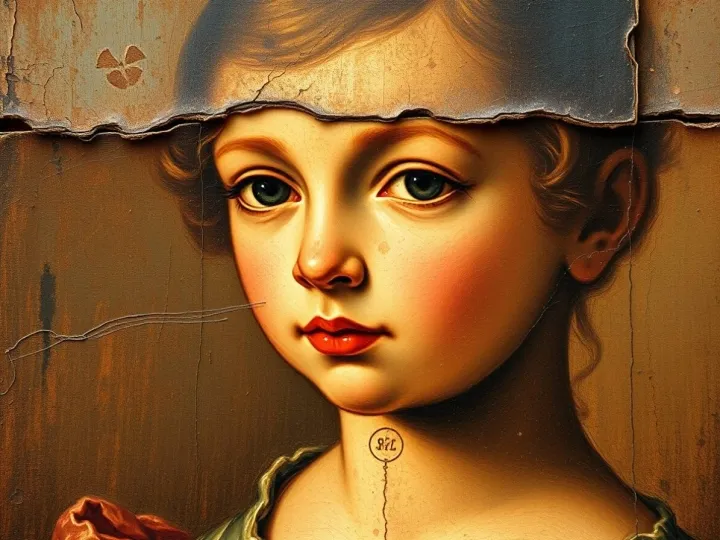
According to Doran's research, beauty and prettiness might look similar at first glance, but they function very differently in the human mind. Prettiness, he argues, describes appearances that please our senses - symmetry, color, delicacy, or softness. Beauty, however, is more than a pleasant arrangement of features; it carries a sense of meaning and ideal. It reflects what we find good, true, or noble - whether that's in a person, a landscape, or a work of art.
Doran's paper combines linguistic analysis with two large empirical studies involving over 500 participants. He found that English speakers consistently use the phrase "true beauty" - but almost never "true prettiness." When asked to judge whether these expressions sounded natural, participants rated "true beauty" as deeply meaningful, while "true prettiness" felt awkward or even absurd. The difference, Doran says, reveals that "beauty" operates on two levels - sensory and moral - while "prettiness" only stays sensory.
Beauty as a Dual-Character Concept
Dual-character concepts are ideas that blend description and value. For example, a "scientist" isn't just someone who runs experiments - it's someone devoted to truth. A "friend" isn't merely someone you spend time with - it's someone who stands by you when it matters. Similarly, a beautiful person isn't just visually pleasing - they embody something good, kind, or authentic.
Prettiness, on the other hand, lacks that second layer. We can say someone is technically pretty, but not a true pretty person. Yet we often say someone is truly beautiful even when their physical features don't fit conventional standards. This linguistic pattern, Doran argues, exposes an ancient intuition: that beauty lives beneath the surface - in depth of character, virtue, and alignment with cherished ideals.
Moral Radiance and Inner Depth
Across cultures and centuries, moral beauty has been associated with inner goodness. The ancient Greeks saw beauty (kalos) and virtue (agathos) as two sides of the same coin. Kant wrote that beauty shines when a "tender heart and benevolent feeling" glow through appearance. Mary Wollstonecraft called superficial charm "pretty nothings," arguing that real beauty is the expression of sensibility and compassion.
Doran's experiments confirm this old intuition scientifically. When people were shown examples of individuals who were morally good but not physically attractive, 86% still described them as "beautiful." This suggests that moral qualities - kindness, courage, integrity - activate the same aesthetic circuits that respond to physical beauty. In neuroscience terms, moral beauty may be a form of aesthetic coherence: the mind's recognition of harmony between form and value.
The Depth of Beauty in Art and Nature
The distinction extends beyond human faces. A building can be pretty for its decoration but beautiful for its function. Le Corbusier once said that ornate architecture is "sometimes pretty, but never anything more." A leopard's spots are pretty, but become beautiful when understood as camouflage - an expression of nature's intelligence and purpose.
In art, too, prettiness pleases the eye; beauty moves the soul. A Rembrandt portrait, though far from pretty, is beautiful because it reveals depth - suffering, wisdom, and humanity. The Japanese concept of y?gen expresses a similar idea: beauty as the quiet encounter with profound truth, often accompanied by tears.
Why Beauty Feels "Deeper"
Doran concludes that this depth - both spatial and spiritual - explains why beauty feels important while prettiness fades. Beauty can live "inside" a person, even when invisible. It can exist in moral actions, noble purposes, or truths that transcend appearance. Prettiness, confined to the surface, offers momentary pleasure but lacks endurance.
In this sense, beauty becomes a bridge between the visible and the invisible - the way form expresses value, or how harmony in nature reflects the inner order of life itself.
Seven Reflections on the Power of Names and Beauty
In numerology, the name of a person carries vibration - a pattern that shapes destiny and perception. Beauty works the same way: it is vibration made visible. True beauty resonates not through symmetry alone but through coherence between essence and expression. It is the alignment between what is seen and what is meant.
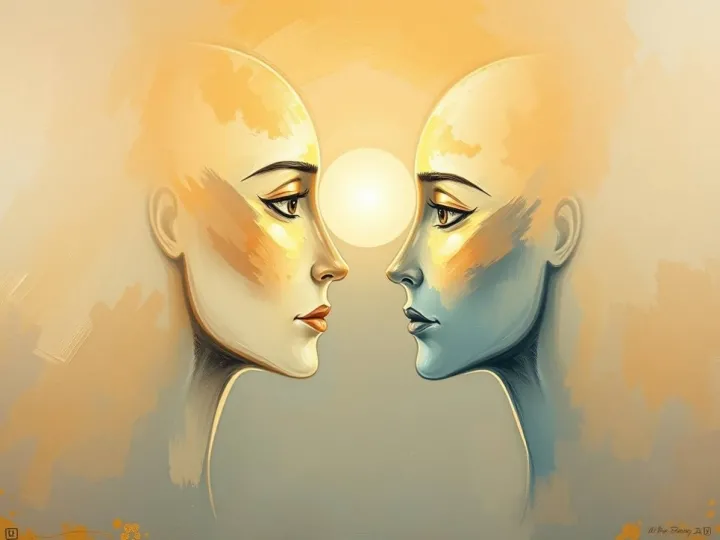
Every letter, like every color or tone, participates in this resonance. To name something beautiful is to recognize both its appearance and its truth - to see beyond the surface to the ideal it embodies. This ancient understanding echoes Doran's finding: beauty has two dimensions - what it is and what it stands for.
In the language of the Seven Reflections, beauty is the mirror of inner light; prettiness, its surface reflection.