Emotional regulation develops rapidly during middle childhood, shaping how individuals manage stress, social interactions, and emerging psychological challenges. Research has increasingly focused on early interventions that foster adaptive emotional skills before patterns of dysregulation become entrenched. A new study published in Schizophrenia Bulletin examines one promising avenue: music education integrated with empathy training. The results suggest that musical activities may help build cognitive and emotional resilience in ways that extend beyond artistic enrichment.
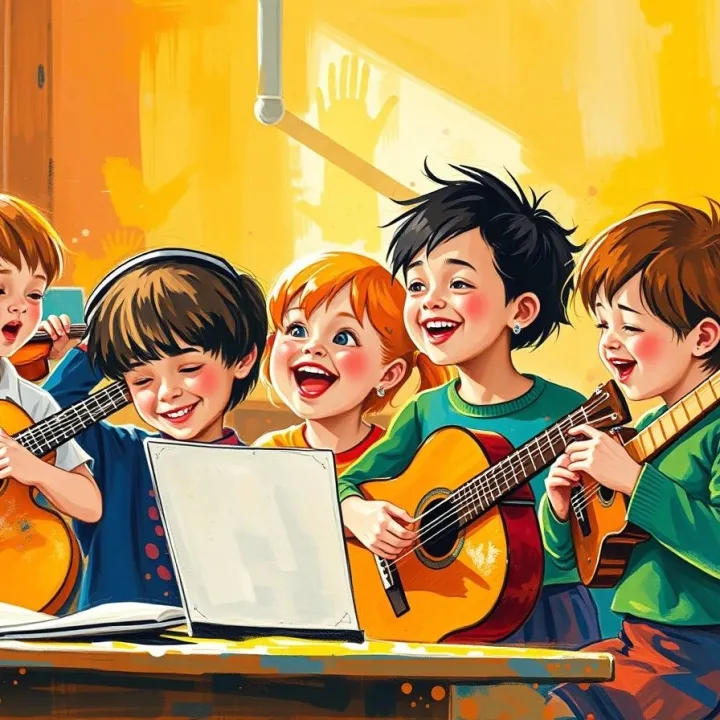
The study involved 240 children aged 8 to 10 who participated in a 16-week intervention. Students were divided into two groups: an experimental group that received music education combined with empathy-oriented practices, and a control group that continued with a standard curriculum. This structure allowed researchers to isolate the effects of music-based emotional learning from general classroom experience. Before and after the intervention, the children completed standardized assessments using the Emotional Regulation Checklist, while researchers conducted behavioral observations and collected EEG data to evaluate neural changes related to emotional processing.
The results revealed significant improvements among children who participated in the music-and-empathy curriculum. These students showed a 32% increase in cognitive reappraisal - the ability to reinterpret emotional situations in more constructive ways. They also demonstrated a 28% decrease in emotional suppression, a pattern associated with healthier long-term regulation and lower risk of internalizing symptoms. According to the authors, these shifts represent meaningful gains in emotional flexibility, a core aspect of adaptive emotional functioning.
Empathy emerged as a central mediator of these improvements. Statistical modeling showed that increases in empathy accounted for a substantial portion of the observed gains in emotional regulation (? = 0.34). This relationship aligns with theoretical frameworks suggesting that children who understand others' emotions more clearly are better positioned to manage their own. Musical activities - especially those involving cooperative performance, shared rhythm, and expressive interpretation - create natural opportunities for children to practice empathic attunement in low-stakes, enjoyable settings.
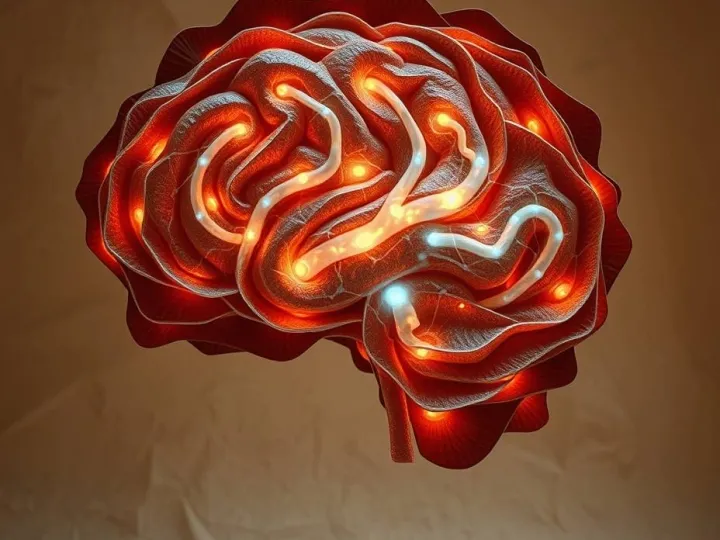
Neurophysiological findings further supported the behavioral data. EEG measurements showed enhanced approach motivation and increased frontal alpha asymmetry, patterns associated with positive emotional engagement and more adaptive responses to stress. These neural signatures indicate that the intervention influenced not only behavioral strategies but also underlying affective processing systems. Such changes are particularly meaningful in middle childhood, a period marked by heightened neuroplasticity in emotional and social networks.
Qualitative interviews with teachers and students provided additional depth to the quantitative results. Teachers reported greater emotional awareness among children in the experimental group, noting that students "named their feelings more clearly," "responded to frustration more calmly," and "showed more patience during group activities." Children themselves described feeling "more confident expressing emotions," "better at calming down," and "more connected" to their classmates. Thematic analysis highlighted three recurring mechanisms: improved emotional awareness, increased expressive flexibility, and deeper social attunement cultivated through shared musical experiences.
The findings align with a growing body of research showing that structured arts education can strengthen socioemotional competencies. Unlike traditional instruction, music engages sensory, motor, and cognitive processes simultaneously, providing children with a multimodal platform for exploring feelings and relationships. Empathy training enhances this effect by offering explicit frameworks for understanding emotional states - both internally and interpersonally. Together, these elements create a dynamic environment where children can practice adaptive emotional strategies in real time.
While the results are encouraging, the authors emphasize that more research is needed to determine how long these benefits persist and whether they generalize across cultural or educational contexts. The sample included children from a relatively narrow age range, and music-based interventions may differ in effectiveness depending on program structure, teacher training, and school resources. The study also noted that EEG measures, while informative, represent only one aspect of emotional development; future work could integrate physiological assessments with longitudinal behavioral outcomes.
From the perspective of Seven Reflections' Dimensional Systems Architecture (DSA), the study illustrates how emotional regulation emerges from the interaction of multiple cognitive-field processes - perception, expression, empathy, and internal state management. Music functions as a field-integrating medium: rhythm synchronizes group activity, melody organizes emotional meaning, and performance creates real-time feedback loops between internal experience and external expression. By engaging these interconnected fields, the intervention strengthens coherence within the child's emotional system. The neural changes observed in frontal asymmetry reflect increased stability across affective fields, supporting the idea that emotional regulation is not merely a skill but a dynamic system property shaped by structured interaction.
Overall, the study provides compelling evidence that music education enriched with empathy training can serve as a supportive, developmentally aligned tool for fostering emotional health in children. As schools explore broader approaches to well-being and early mental-health prevention, music-based programs may offer an accessible pathway for helping children build emotional awareness, flexibility, and resilience. While further research will clarify the long-term impact of such interventions, the present findings highlight the promise of integrating arts and empathy into educational environments.