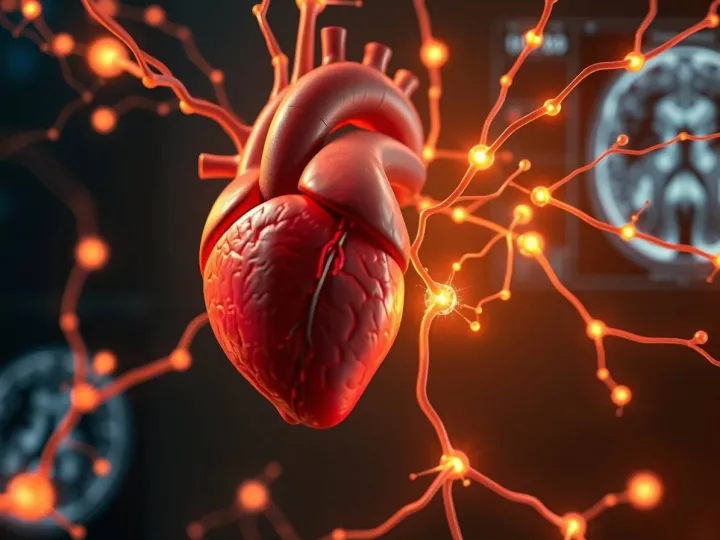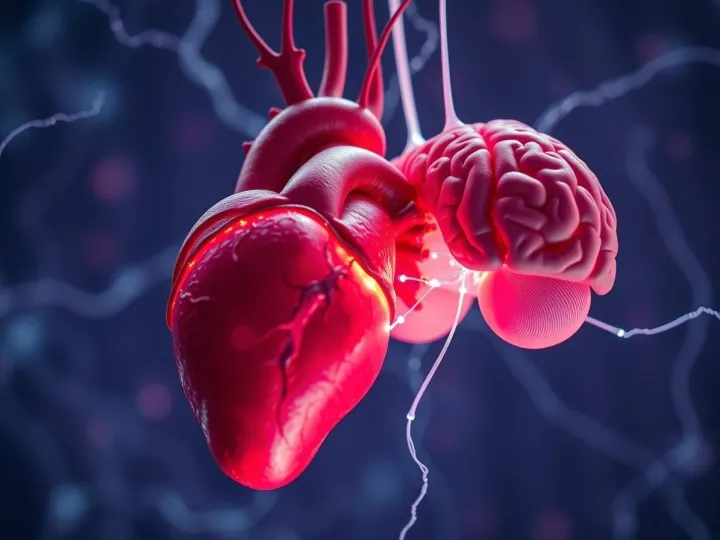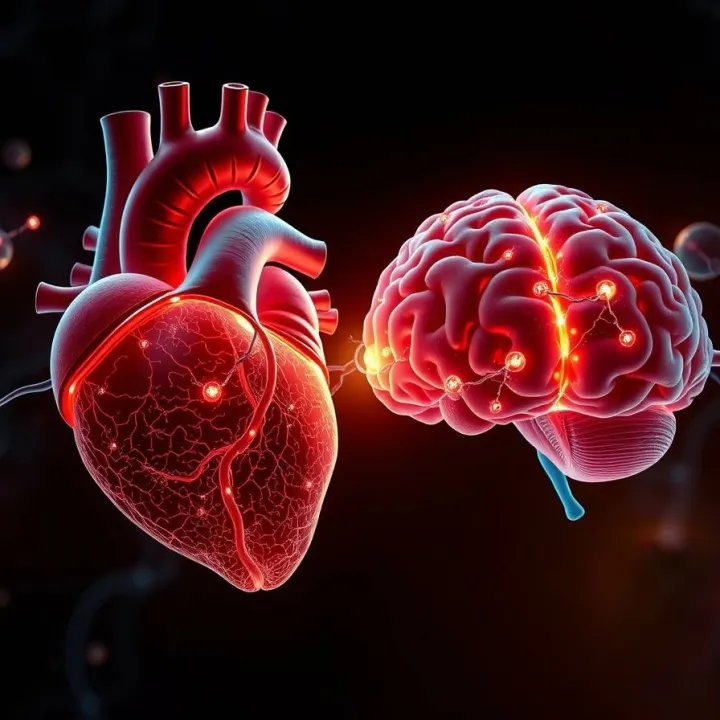
Across the past decade, research has reframed the heart not as an isolated pump but as a dynamic organ of communication, influencing the brain through vascular, hormonal, and even energetic channels. This convergence between cardiology and neuroscience - once seen as metaphorical - now rests on hard evidence. Four complementary studies published in the European Heart Journal offer a multilayered portrait of the heart - brain continuum: how congenital defects, chronic failure, hypertension, and post-arrest trauma all sculpt cognitive life.
In a multicenter analysis led by B. Johansson and colleagues, 156 adults aged 40 and older living with moderate to severe congenital heart disease (CHD) were compared with 86 age-matched controls. The team expected to find accelerated frailty or cognitive loss among those with lifelong cardiac conditions. Instead, the results were surprising: cognitive dysfunction and pre-frailty rates were similar between CHD adults and healthy peers. The finding suggests that decades of improved surgical and medical management may have equalized baseline risk - at least until later life. But as more complex CHD survivors reach advanced ages, researchers warn that vigilance will be crucial. Subtle vascular or metabolic differences could still manifest as late-onset cognitive decline.
If congenital conditions show resilience, chronic heart failure tells a different story. A prospective study by S. Prausmueller and collaborators explored how biological markers of neurodegeneration mirror cognitive function in patients with heart failure with reduced ejection fraction (HFrEF). Using ultra-sensitive molecular assays, the researchers measured glial fibrillary acidic protein (GFAP), neurofilament light chain (NfL), total tau, and UCHL1 - proteins typically elevated in neurodegenerative diseases. In 121 patients, higher levels of these biomarkers tracked closely with slower reaction times, poorer multitasking, and weaker spatial memory. The associations were strongest in those with severe heart failure (NT-proBNP in the highest tertile). This confirms a physiological bridge: heart stress translates into neuronal stress. Neurodegeneration is no longer a distant outcome but an active echo of cardiac strain.
A third study by C. Kou and colleagues delves into the cellular machinery behind hypertension-induced cognitive decline. Using genetically modified rats, the team discovered that the enzyme RNF40 triggers degradation of Parkin - a key regulator of mitochondrial quality control - through K48-linked ubiquitination. When RNF40 was silenced in hypertensive animals, mitochondrial function rebounded, blood - brain barrier integrity improved, and performance in spatial memory tests recovered. These results identify the RNF40-Parkin axis as a molecular gatekeeper of neurovascular health, suggesting potential therapeutic routes to prevent hypertension-related dementia. It is a striking reminder that cognitive protection begins at the capillary level.
Beyond prevention, another frontier of cardiology now concerns survival and human wholeness. The REVIVE Project, coordinated by A. Mandrini and collaborators in Italy, is transforming how post-cardiac arrest care is conceived. Historically, success was defined by survival alone. REVIVE expands that definition: recovery now includes memory, emotional regulation, fatigue, and quality of life - for both patients and families. Using validated tools such as the Montreal Cognitive Assessment, the Hospital Anxiety and Depression Scale, and the EQ-5D-5L, the study follows out-of-hospital cardiac arrest survivors for a year, combining psychological support with medical follow-up. For the first time, the European Resuscitation Council's call for holistic post-arrest care is being operationalized at scale. The project reframes resuscitation as the beginning of cognitive rehabilitation, not the end of crisis.
Taken together, these four studies map the multidimensional relationship between heart and brain:
- congenital heart disease challenges assumptions about early cognitive vulnerability;
- heart failure biomarkers expose an active neurodegenerative signature;
- hypertension reveals a molecular target that bridges metabolism and mind;
- and cardiac arrest recovery evolves into a model of integrated bio-psycho-social care.
From DSA perspective, these findings illustrate the field coupling between somatic and cognitive domains. The cardiovascular system operates as a stabilizing resonance field for consciousness. When its coherence falters - through ischemia, inflammation, or molecular stress - the cognitive field loses synchronization, manifesting as fatigue, confusion, or emotional instability. In DSA terms, heart function belongs not merely to the physiological plane but to the structural "L4 <-> T-4" interface that maintains systemic integrity. Neurodegenerative biomarkers thus signal not only physical decay but informational turbulence within the field system.
DSA views cognition and circulation as co-oscillating systems: each heartbeat carries both oxygen and pattern. Modern cardiology, by measuring molecules like NfL or GFAP, is inadvertently mapping the resonance gradient between body and awareness. Projects like REVIVE, which reintroduce emotional and psychological dimensions into cardiac care, represent a return to holistic architecture - where the body's rhythm and the mind's rhythm are recalibrated together. The future of medicine may depend on restoring this dual coherence: healing the pulse to heal perception.