Autism and the Search for Biomarkers
Autism spectrum diagnosis (ASD) affects about 1 in 90 people worldwide. While it is highly heritable, no single gene explains its diversity. Genetic markers like rare mutations carry strong risk but are so rare they explain only a fraction of cases. Common genetic variants, on the other hand, are widespread but add almost no predictive value. This "missing heritability" has left scientists searching for alternative biomarkers.
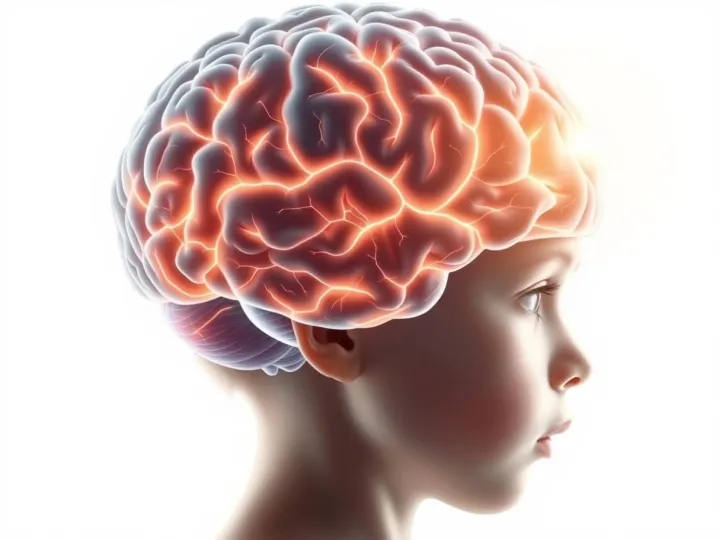
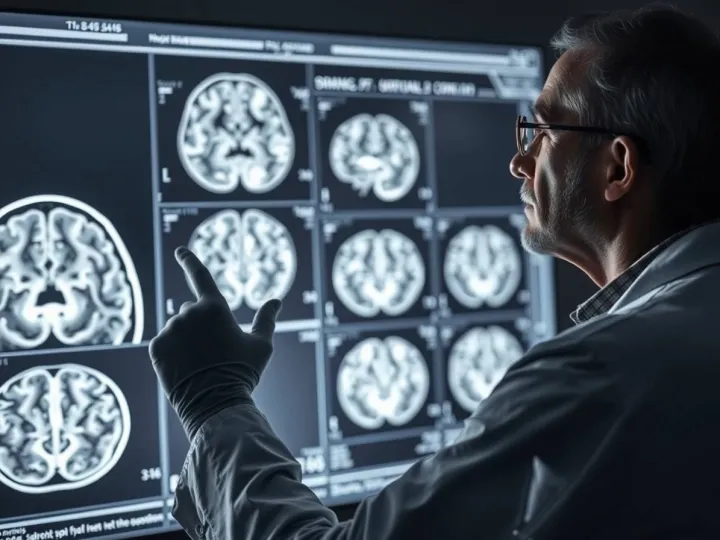
Brain imaging, especially resting-state functional connectivity (FC) measured by fMRI, has long shown differences between autistic and neurotypical brains. But at the group level, these signals blur. Translating them into reliable markers for individuals has proven difficult, largely due to the heterogeneity of autism itself.
A Machine Learning Breakthrough
Using large-scale data from the Autism Brain Imaging Data Exchange (ABIDE), researchers applied a specialized technique called transductive conformal prediction - a machine learning approach that calculates confidence scores for each prediction. Instead of forcing the model to classify every person, it only made predictions when the signal was very strong.
This change in strategy paid off. By combining patterns across nine interconnected brain networks, the team identified a high-risk functional connectivity signature (HRS). Individuals with this signature had a 90% chance of being autistic in validation samples - a sevenfold increase over baseline risk.
The Hidden Signature
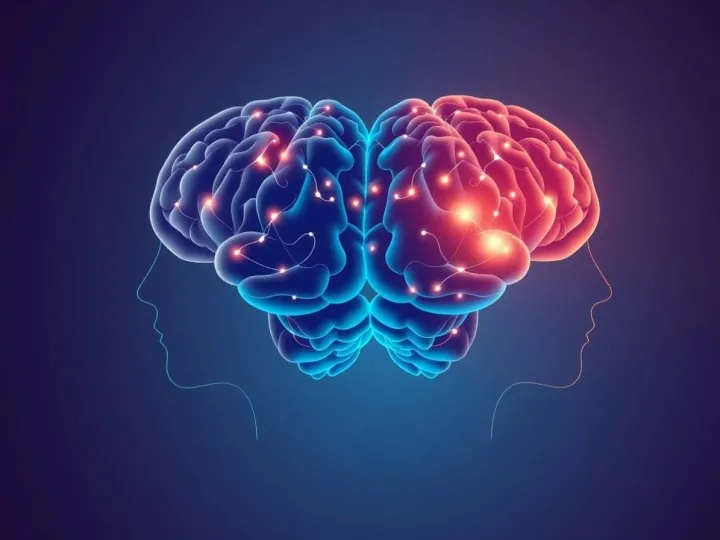
What did the model see? The brains carrying this signature showed pervasive underconnectivity between high-level "transmodal" networks - areas like the default mode network (DMN), frontoparietal control systems, and the basal ganglia. These networks normally integrate sensory input, self-awareness, and executive control. When their links weaken, cognition fragments, producing differences in integration that may underlie autism traits.
Interestingly, this pattern was not found in basic sensory networks like vision or motor function. Instead, it emerged in the very hubs where diverse streams of information converge - suggesting that autism's diversity may stem from how integrative networks organize communication.
A Subset Within the Spectrum
The high-risk signature was rare in the general population (1 in 200) but much more common than known genetic markers. It tended to identify individuals with more severe symptoms, but not exclusively. Some non-diagnosed individuals with the signature showed autistic-like traits, hinting at a broader "autism phenotype" that may exist beyond formal diagnosis.
This supports a layered view: autism is not one condition, but many paths leading to overlapping outcomes. The high-risk connectivity signature marks one such path.
Why It Matters
For neuroscience, this discovery is a step toward precision biomarkers - tools that can flag subsets of individuals for further evaluation, long before behavior alone reveals a diagnosis. For families, it offers the hope of earlier interventions. For society, it reinforces a truth: autism is not random chaos but a system with hidden, reproducible logic.
And for Seven Reflections, it resonates deeply with a theme we return to often: the mind as a network of rhythms and fields. Just as consciousness depends on integration across time and space, autism may reflect a shift in how those integrations are wired. Machine learning, then, is not just finding disease markers - it is beginning to read the secret grammar of cognition.
Takeaway
Autism is a spectrum, but within that spectrum lie hidden patterns. This study shows that machine learning can uncover reproducible brain signatures that increase diagnostic confidence and deepen our understanding of neurodiversity. The high-risk connectivity signature does not explain all of autism - but it demonstrates that even in complexity, there are codes waiting to be read.
Frequently Askes Questions
What is a brain connectivity signature of autism?
It is a reproducible pattern of underconnectivity between large-scale brain networks, identified with fMRI and machine learning.
How accurate is the new autism biomarker?
In validation datasets, individuals with the high-risk signature had a 90% chance of being autistic, a sevenfold increase over baseline risk.
Does this explain all of autism?
No. Autism is heterogeneous, and this signature identifies a subset of individuals. It shows there are multiple neurobiological pathways within the spectrum.
Why is this discovery important?
It demonstrates that targeted, high-confidence prediction models can identify meaningful subtypes of autism, bridging genetics, imaging, and behavior.